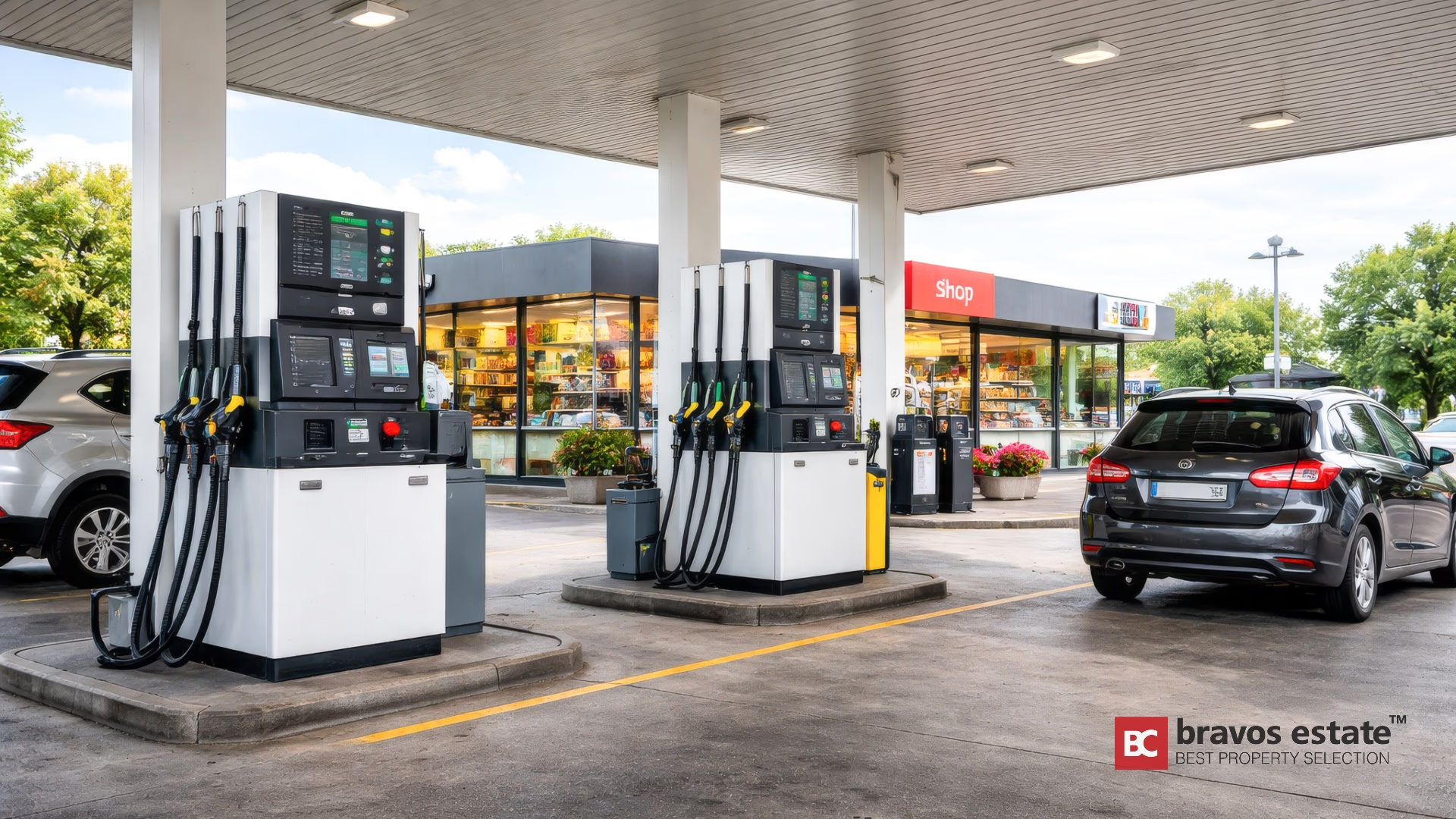
Spain has responded to the latest spike in energy prices with a targeted fiscal package centered on reducing taxes embedded in electricity, gas, and fuel costs. The government approved a plan worth around €5 billion following the recent surge in oil and gas prices linked to geopolitical tensions.
The measures implemented
The policy focuses on directly lowering the final price paid by consumers:
- VAT on electricity, natural gas and fuels reduced from 21% to 10%
- Fuel prices lowered by up to ~€0.30 per litre through combined VAT cuts and subsidies
- Additional €0.20 per litre support for transport, agriculture and logistics sectors
- Electricity-related taxes reduced significantly, including suspension of certain generation charges
- Price caps maintained on regulated gas products such as butane
These measures were designed to act immediately by reducing the tax component of energy bills rather than intervening in wholesale markets.
Why Spain used tax cuts
The government's approach reflects the need for fast price transmission control. Energy prices rose sharply in recent weeks, and tax reductions are one of the few instruments that can lower consumer prices without delay.
The policy is also aimed at limiting inflation spillovers. Rising energy costs typically feed into transport and food prices, so reducing taxes helps slow this transmission across the economy.
Finally, the approach reflects budget constraints. Compared to previous crises, large-scale subsidies are more limited, making targeted tax reductions a more immediate and fiscally manageable option.
Early results observed
Initial effects are already visible or confirmed in early reporting:
- Immediate reduction in fuel prices, with savings of up to ~€0.30 per litre at the pump
- Lower electricity and gas bills due to reduced VAT and electricity taxes
- Partial relief for businesses, especially in transport and energy-intensive sectors
- Limited overall offset, as measures reduce — but do not fully counter — higher global energy costs
The policy is functioning as a short-term buffer, reducing the direct impact of the price shock on households and businesses while broader market conditions remain volatile.