Every June, when the Mediterranean sun lingers over Alicante and the evenings turn long and warm, the city transforms. Streets close, towering satirical monuments rise on the squares, the air smells of gunpowder and the nights fill with music until dawn. This is the Hogueras de San Juan (Les Fogueres de Sant Joan) — Alicante's biggest festival, which in 2026 once again turns the city centre into the largest fire celebration on Spain's Mediterranean coast.
For anyone weighing up a life on the Costa Blanca, these few days are the best possible way to feel that you are buying not just square metres, but a way of living.
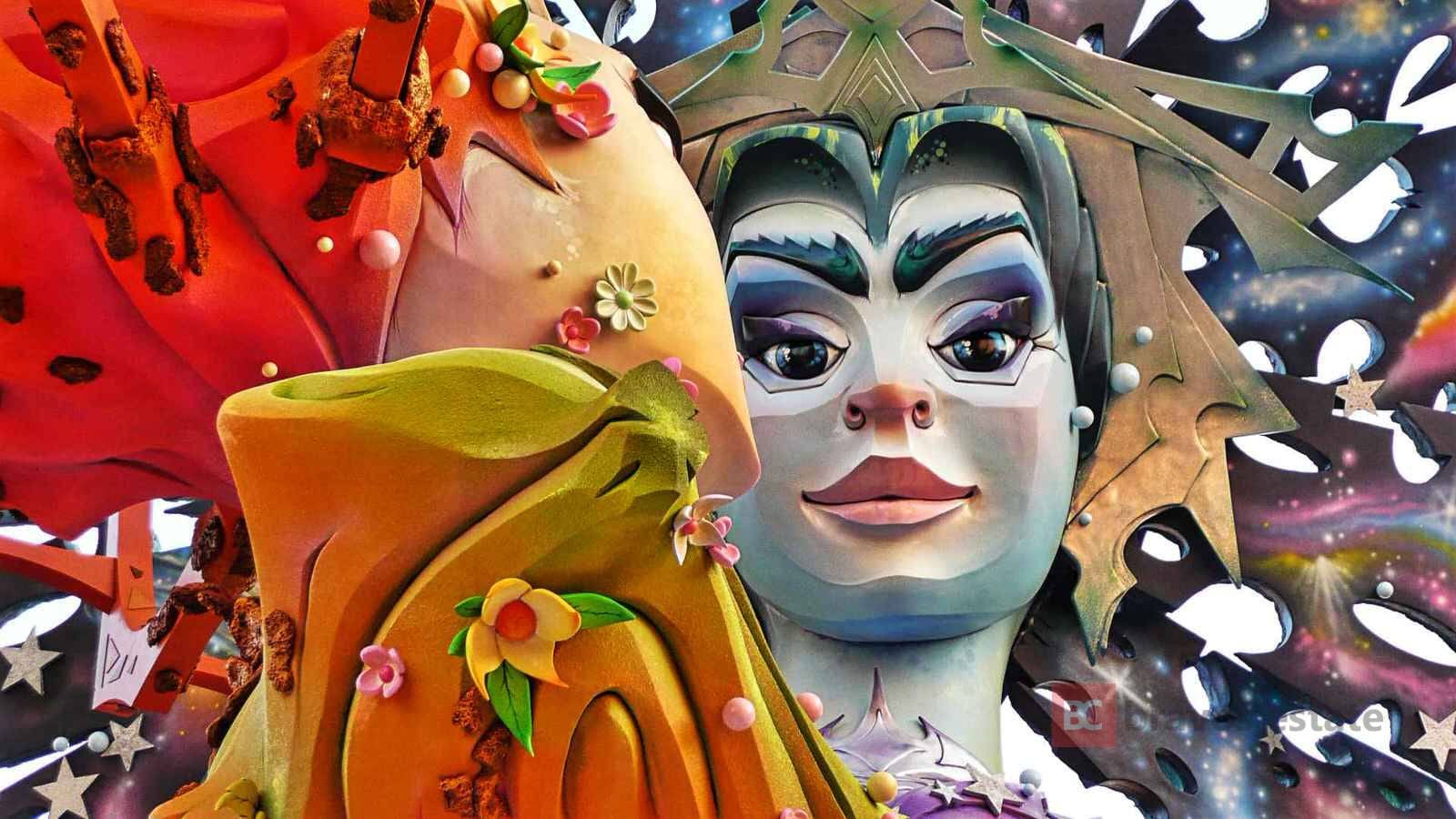
What the Hogueras are, and where they come from
The festival's roots lie in ancient summer-solstice rites: on the shortest night of the year, bonfires were lit all along the Mediterranean — a symbol of renewal and a way to leave the old behind. As Christianity took hold in Spain, these rituals merged with the feast of Saint John on 24 June.
The modern festival was born in 1928, when journalist José María Py proposed celebrations modelled on Valencia's Fallas — monuments, gunpowder and street life — to bring the city alive. The Hogueras have since grown into an event recognised as being of International Tourist Interest.
Key dates for the Hogueras 2026
The main days run from 20 to 24 June, though the atmosphere builds earlier — official events begin at the start of the month. The milestones to plan around:
| Date | What happens |
|---|---|
| 6 June | Cabalgata del Ninot — a costumed parade of the festival commissions that unofficially opens the season |
| 18–24 June, daily at 14:00 | Mascletà on Plaza de los Luceros — a thunderous spectacle of gunpowder and rhythm |
| 20 June | Plantà — overnight, 92 monumental hogueras rise across the city (one more than last year) |
| 21–22 June | Ofrenda de Flores — the flower offering to the Virgen del Remedio, Alicante's patron saint |
| Night of 24–25 June | Cremà — the monuments are set ablaze under fireworks from Mount Benacantil; only the "pardoned" figures (ninots indultats) are saved |
| 25–29 June | International Fireworks Contest on Postiguet beach |
This year's ninots indultats — chosen from a record 25,681 votes cast by more than 11,000 visitors to the ninot exhibition — are Diputació-Renfe (adult category) and Sagrada Família (children's category). The festival was opened on 5 June by the pregón of Alicante singer-songwriter Funzo (Adrián Gomis), the youngest pregonero in the festival's history.
A city that lives outdoors
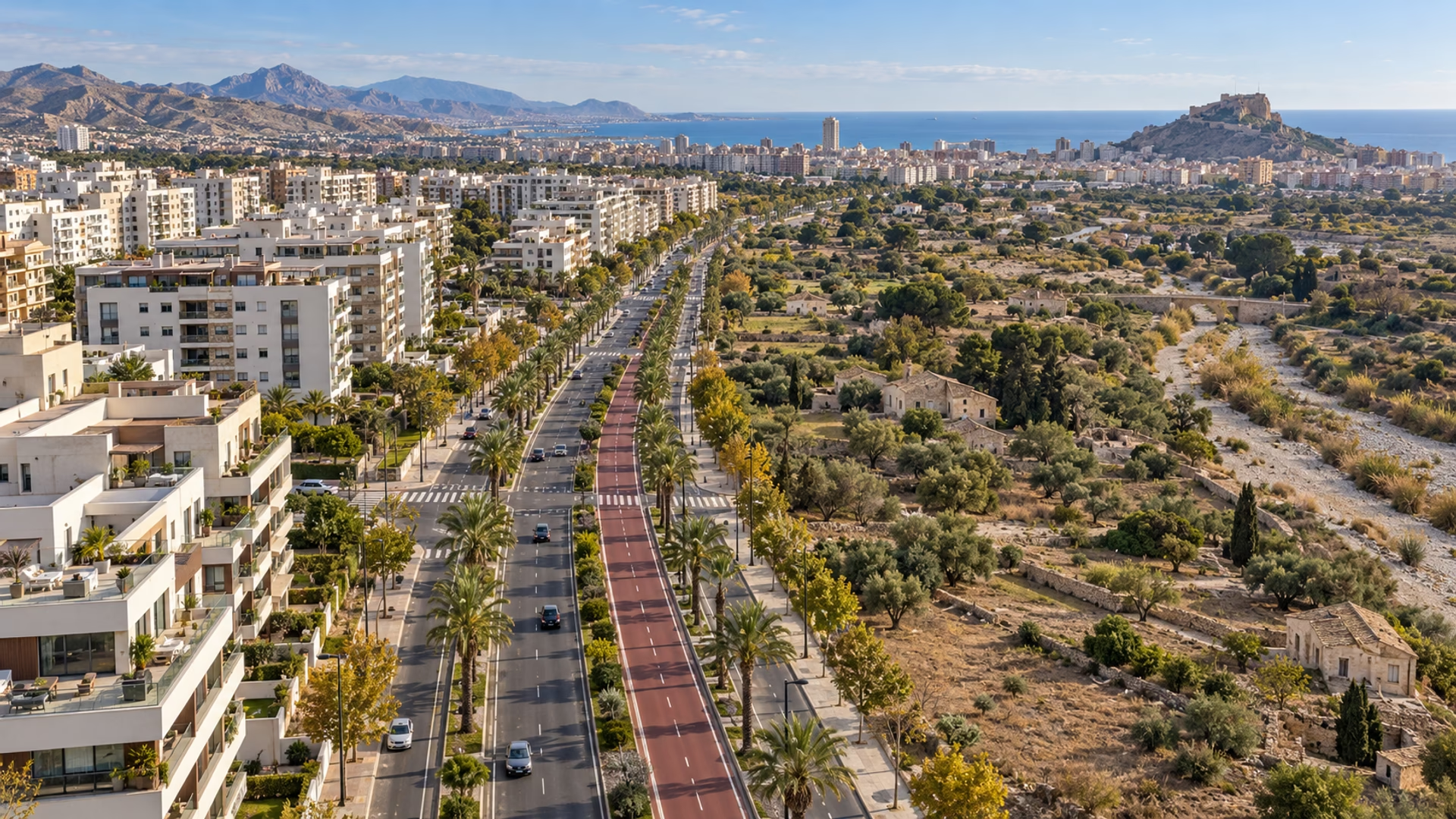
The Hogueras reflect Alicante's own character — a city that spends most of the year under open skies. The epicentre is Plaza del Ayuntamiento, home to the official hoguera, and Plaza de los Luceros with its mascletàs. But monuments go up in every district — Carolinas, Benalúa, Florida, San Blas, Campoamor, La Albufereta — each with its own festival commission.
The festival's real soul is the barracas and racós: street venues where neighbours and friends gather to eat, drink, dance and see in the dawn. Add the city beaches — Postiguet a step from the old town and six kilometres of fine sand at Playa de San Juan — and it becomes clear why June in Alicante feels like nowhere else.
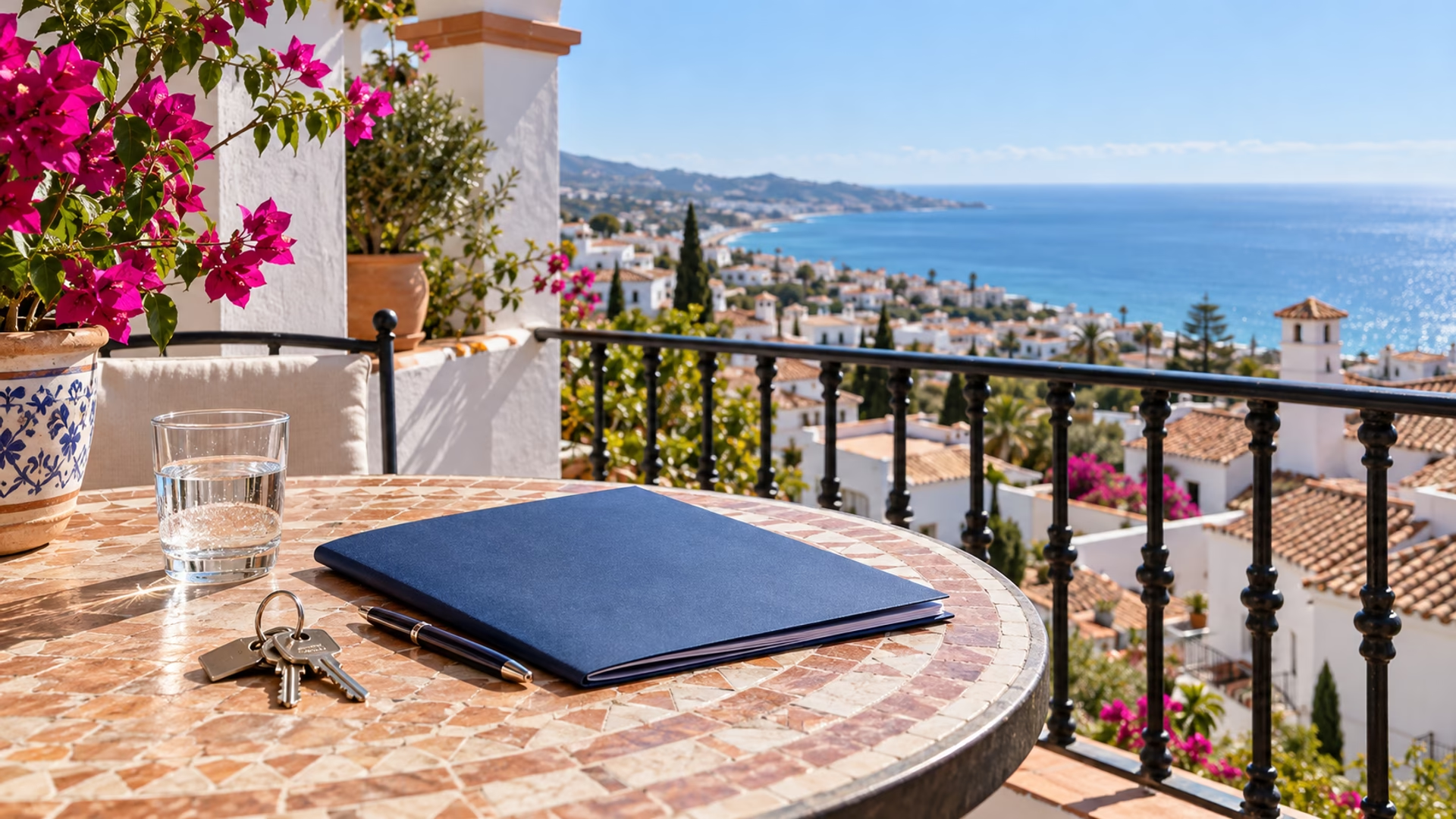
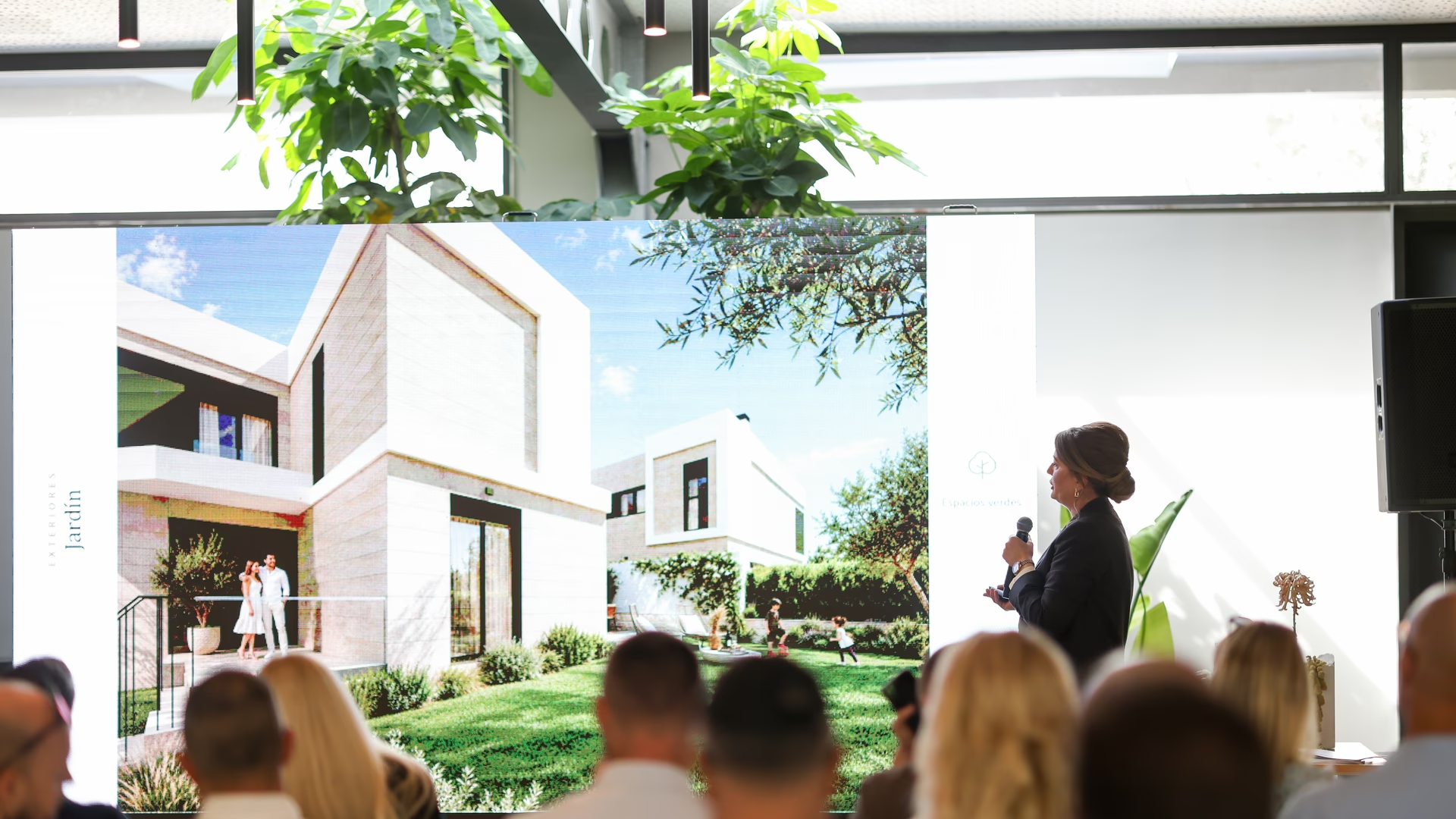
Why this matters if you are thinking of buying
Behind the spectacle lies a practical signal. A city that stages a festival like this every year is a city with steady tourism, a living year-round environment and constant demand for housing — to buy and to rent.
A city that throws a festival like this every June is a city that lives all year round — and that year-round life is exactly what underpins steady demand for homes.
The figures bear it out. According to idealista, resale homes in Alicante reached a record of around €2,549/m² in spring 2026 — up roughly 9% year on year. The "energy of the streets" a visitor feels at the Hogueras translates, in market terms, into demand, liquidity and a stable price trend.
And it is not only Alicante. Bravos Estate works across the Costa Blanca — from El Campello and Calpe to Benidorm and Torrevieja — and the spirit of San Juan comes alive all along the coast on the night of 23–24 June: beach bonfires, leaping over the flames, wishes made and a midnight swim in the sea. If you are weighing where to settle, our guide to the best areas of the Costa Blanca is a good place to start.
A few tips for visiting the Hogueras
- Comfortable shoes and sun cream — you will walk a lot, and the midday June sun is fierce.
- The city centre is almost entirely pedestrian during the festival — leave the car behind.
- For the climax, plan your evening around the cremà and the fireworks nights on Postiguet.
The Hogueras de San Juan are more than five days in the calendar. They are the best way, in a single visit, to understand what living on the Costa Blanca is really like: warm, open in the Mediterranean way, and outdoors all year round.