
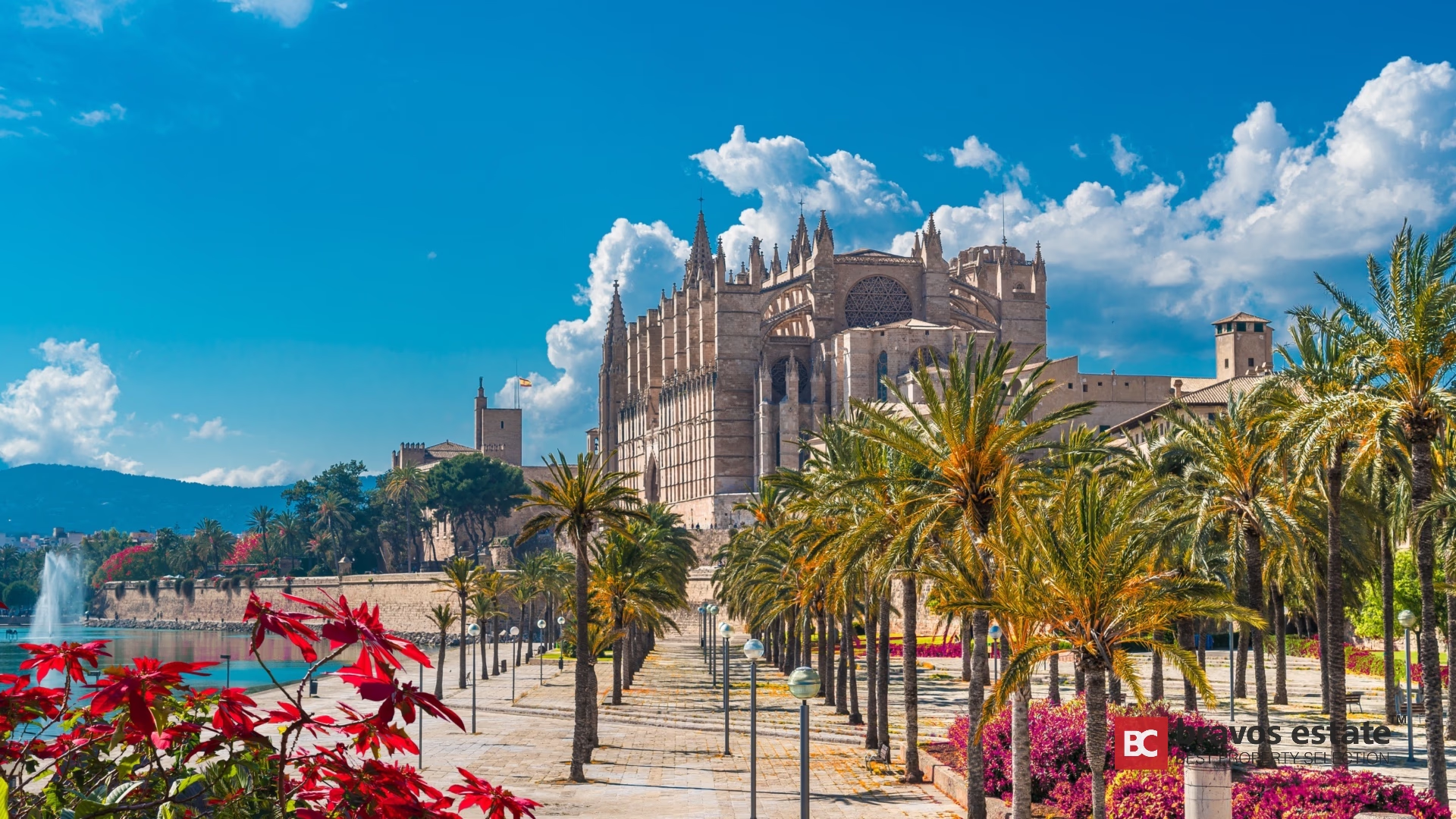
Mallorca, Spain
Mallorca — Spain's largest Balearic island, 920,000 residents, PMI airport handling 33 million passengers annually. Entry from €400K, prime Southwest villas to €20M, rental yields 6–8% peak season.
About Mallorca
Mallorca is Spain's largest Balearic island and one of Europe's most consistently active property markets. Covering roughly 3,600 km², it spans seven distinct zones — from Palma's dense urban core to the UNESCO-listed Tramuntana mountains and the quieter coves of the southeast — each with its own price level, architecture, and buyer character. The island is not a single market but a collection of micro-markets linked by the PMI airport, which handles around 33 million passengers annually and maintains direct connections to most major European cities year-round.
Foreign buyers account for around 30% of all transactions in the Balearics (Registradores, 2025), drawn from Germany, Switzerland, the UK, Scandinavia, and increasingly the Netherlands and Belgium. German and Northern European buyers concentrate in the southwest and north; British buyers are well represented in the east and Palma; retirees and lifestyle-led buyers populate the southeast. The climate runs to long, dry summers and mild winters, with the north and mountain zones receiving more rainfall than the southern and eastern coasts.
Mallorca Property Market 2026
Apartments across Mallorca range from €400K to €2M depending on location and specification. Port Andratx marina apartments typically achieve €800K–€3M. Year-round urban demand in Palma supports stable long-term values for city apartments.
Villas are the dominant purchase type for foreign buyers above €800K. The southwest corridor — Andratx, Port Andratx, Santa Ponsa — produces the island's highest villa values: €1.5M to €15M in Andratx, €1M–€5M in Calvià and Santa Ponsa. East coast villas, primarily newer builds in Capdepera and Cala Ratjada, price from €500K to €1.5M and represent the island's most active growth segment. Tramuntana fincas in Sóller and Valldemossa reach €1M–€8M for larger estate properties with land.
Townhouses and bungalows are most prevalent in the southeast — Santanyí, Cala d'Or — and in the historic villages of the north and Tramuntana foothills. Sandstone village houses in Santanyí typically price at €700K–€2M and attract European retirees and lifestyle buyers seeking lower maintenance than a large villa. Restored townhouses in Pollença village and Sóller occupy a similar band and are valued for their authenticity and walking-distance amenities.
The east coast carries the strongest new-build pipeline, making it the primary target for investors combining rental income with capital growth expectations. Balearic property purchases are subject to a transfer tax (ITP) of 8–13% depending on value, and non-resident owners pay annual Patrimonio wealth tax on island assets above applicable thresholds.
Sub-Districts of Mallorca
Palma and Son Vida — Palma's capital functions as a genuine year-round city with a resident population above 400,000. Son Vida, the gated hillside enclave immediately west of the city, is the island's most concentrated ultra-prime zone: landmark villas price from €3M to €20M and draw consistent demand from German, Swiss, and Middle Eastern buyers regardless of broader market cycles.
Southwest — Andratx and Port Andratx — The island's most prestigious coastal zone, where planning restrictions tightly limit new supply. Sea-view villas range €1.5M–€15M; the marina at Port Andratx anchors a micro-market of €800K–€3M apartments and waterfront properties. German and Northern European buyers dominate. Values here have shown the most consistent upward trajectory over the past decade, partly as a function of constrained inventory.
Santa Ponsa and Calvià — A more accessible mid-luxury tier within the southwest corridor. Golf courses, a marina, and international schools attract family and active-lifestyle buyers. Villas price from €1M to €5M, and the rental season extends longer than in more remote areas, supporting yields above the island average for this price bracket.
North Coast — Pollença and Alcúdia — The Tramuntana range frames the north coast, giving it a different visual and architectural character from the south. Pollença town retains a working-village character with an established expatriate community; Alcúdia suits families with its wide, shallow-water bay and walled historic town. Buyers here are typically lifestyle-driven rather than yield-focused.
East Coast — Capdepera and Cala Ratjada — The island's most active growth zone for new construction. Villas and apartments price from €500K to €1.5M, with per-m² figures still below the island average at €3,000–€5,000, giving the area the strongest case for capital appreciation among Mallorca's regions. The coves around Capdepera and the working port character of Cala Ratjada appeal to buyers who want coast access without the premium of the southwest.
Southeast — Santanyí and Cala d'Or — Characterful villages built in honey-coloured sandstone, popular with European retirees and long-stay visitors. Villas range €700K–€2.5M; the pace is quieter and the rental income is driven by longer European stays rather than the intensive short-stay model of the prime coast. Santanyí's weekly market and established café culture give the area a social infrastructure that sustains year-round appeal.
Tramuntana Foothills — Sóller and Valldemossa — The UNESCO World Heritage mountain zone attracts buyers seeking privacy, landscape, and architectural substance. Stone fincas with olive groves and terraced gardens range €1M–€8M, with larger estate properties above that. Valldemossa, historically associated with Chopin and George Sand, commands a cultural premium. Sóller's heritage tram link down to the Port provides practical connectivity that most mountain villages lack, making it the more liquid of the two markets.
Living in Mallorca
Beaches and coves
Mallorca's coastline runs from long white-sand bays to the intimate rocky calas the island is famous for. The south holds the natural, dune-backed sands of Es Trenc; the east and Llevant coast are lined with sheltered coves around Cala Ratjada and Cala Romántica; and the north-west falls in dramatic cliffs to hidden inlets below the Tramuntana. Blue Flag beaches, clear water and a long May-to-November swimming season are central to the island's appeal.
Sailing and water sports
Mallorca is one of the Mediterranean's leading sailing destinations. The Bay of Palma alone holds several major marinas and hosts the Copa del Rey regatta each summer, while harbours around the island support everything from day charters to serious blue-water cruising. Diving, paddleboarding, kayaking around the calas and windsurfing are all well established.
Golf and cycling
The island has more than twenty golf courses, many playable year-round thanks to the mild winters and concentrated around Palma, the south-west and the east. Mallorca is also one of Europe's premier road-cycling destinations — professional teams train here in winter, drawn by the climbs of the Serra de Tramuntana and the quiet inland roads.
Hiking and the Serra de Tramuntana
The Serra de Tramuntana, a UNESCO World Heritage cultural landscape, runs the length of the north-west coast in limestone ridges reaching over 1,400 m. Its dry-stone trails, terraced hillsides and stone villages — Valldemossa, Deià, Sóller — make it one of Spain's finest walking and touring regions, busiest in spring and autumn.
Dining and wine
Mallorcan cooking is distinct — sobrassada, tumbet, fresh fish and the sweet ensaïmada pastry — served everywhere from village cellars to a growing Michelin-starred scene in Palma. The island's wineries, centred on the Binissalem and Pla i Llevant DO regions, have raised local wine to a serious level, with many estates open for tastings.
Palma and island culture
Palma anchors island life as a genuine year-round city rather than a seasonal resort — its Gothic cathedral, restored Old Town, galleries, markets and restaurants stay active through the winter. International schools, a strong marina scene and direct flights make it practical for full-time residents as well as second-home owners, giving Mallorca a depth of everyday life that many purely seasonal coasts lack.
Healthcare
Healthcare is strong for an island of its size. Palma has the large Son Espases public university hospital alongside well-regarded private groups such as Quirónsalud and Juaneda, and multilingual English- and German-speaking clinics are common given the international population. EU residents access public care through the health-card system; many second-home owners also hold private cover.
Cost of living
Mallorca carries an island premium: property, dining and everyday costs generally run above mainland Costa Blanca levels, and peak-season prices are higher again. Everyday services remain moderate by Northern-European standards, but buyers should budget for the higher baseline. Ongoing property costs include IBI (the council property tax), community fees and utilities; for a full breakdown of purchase and holding costs, see our guide to the costs of buying in Spain.
Why Mallorca?
Palma airport connects to 100+ European cities year-round and handled 33.3 million passengers in 2024. Weekend trips, remote work, and frequent family visits are realistic — not the logistical compromise some mainland Costas require.
Around 35% of all transactions involve foreign buyers — roughly three times the mainland average. Resale times are typically measured in weeks rather than months, even in soft cycles.
Average 6–8% annual price growth over the last decade, with no significant correction in 2020 or 2022. International demand insulates Mallorca from local Spanish cycles.
UNESCO World Heritage status across the Serra de Tramuntana plus strict planning rules on protected coastline keep new-build supply tight by design — a structural support for prices that mainland markets don't share.
New off-plan inventory has moved to the east coast (Capdepera, Manacor, Santanyí) at 30–40% below the established southwest with the same coastal character. The current best-value entry point on the island.
Distances from Mallorca

Properties in Mallorca
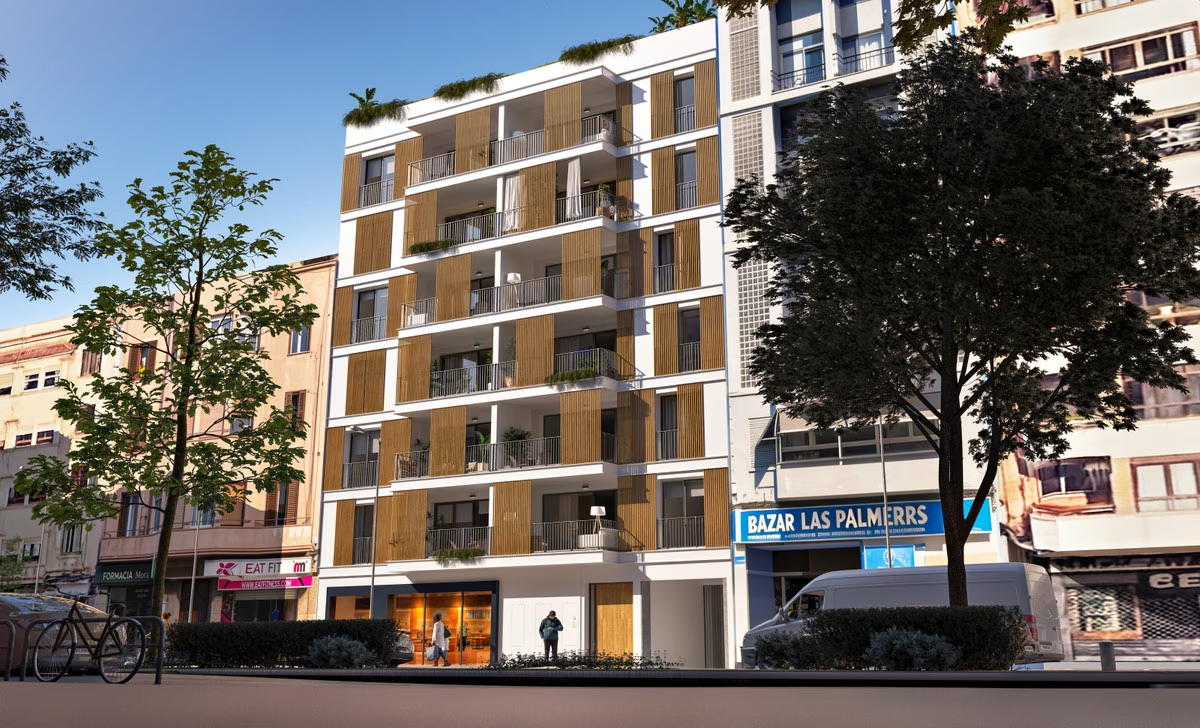
Cor 39 — 2 & 3 Bedroom Apartments in Palma de Mallorca
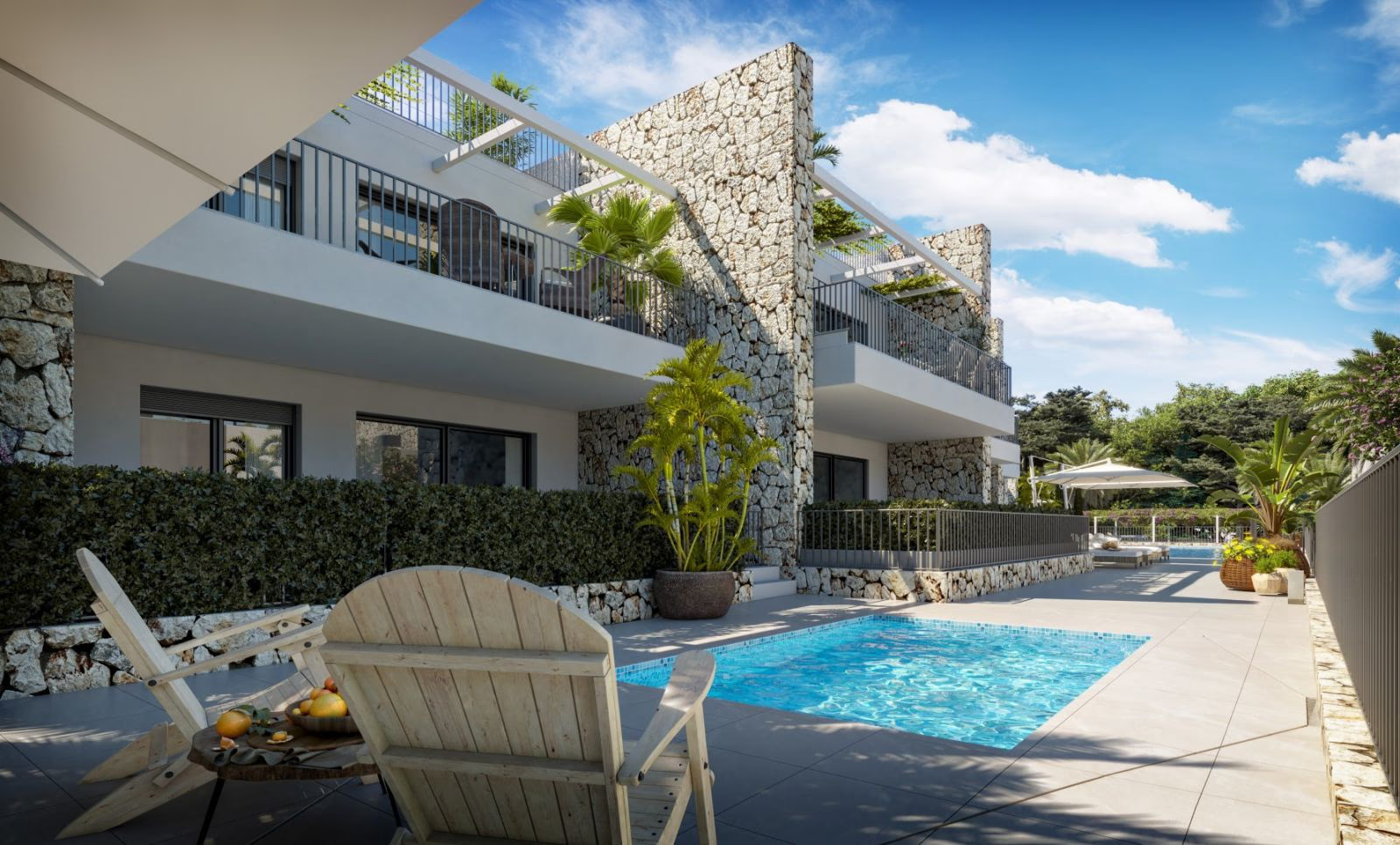
Eclipse — 3-Bedroom Apartments in Sant Elm, Mallorca
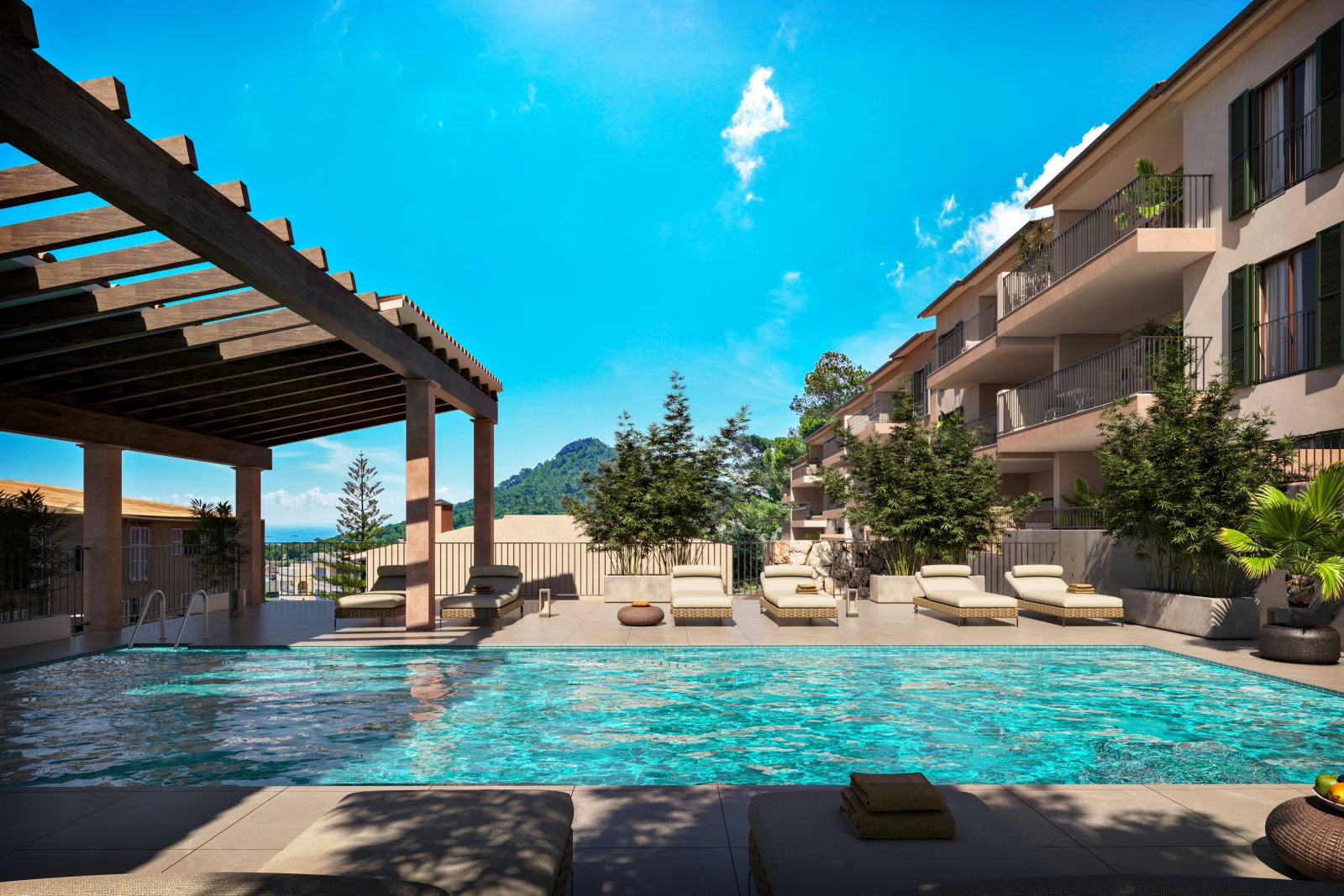
Oliu — 2-Bedroom Duplex Apartments in Capdepera, Mallorca
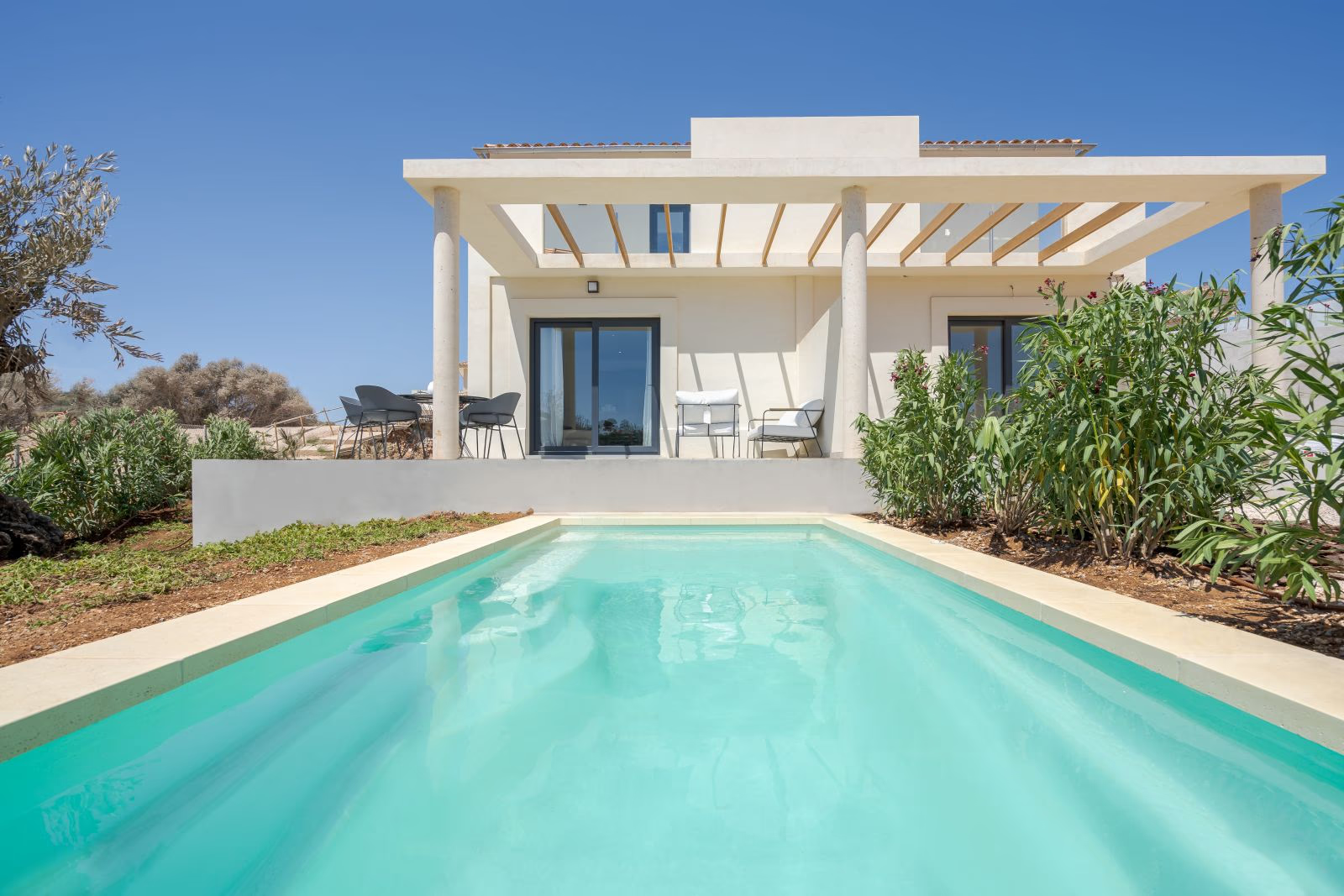
Sunrise Bay Residences — Villas in Cala Romántica, Mallorca
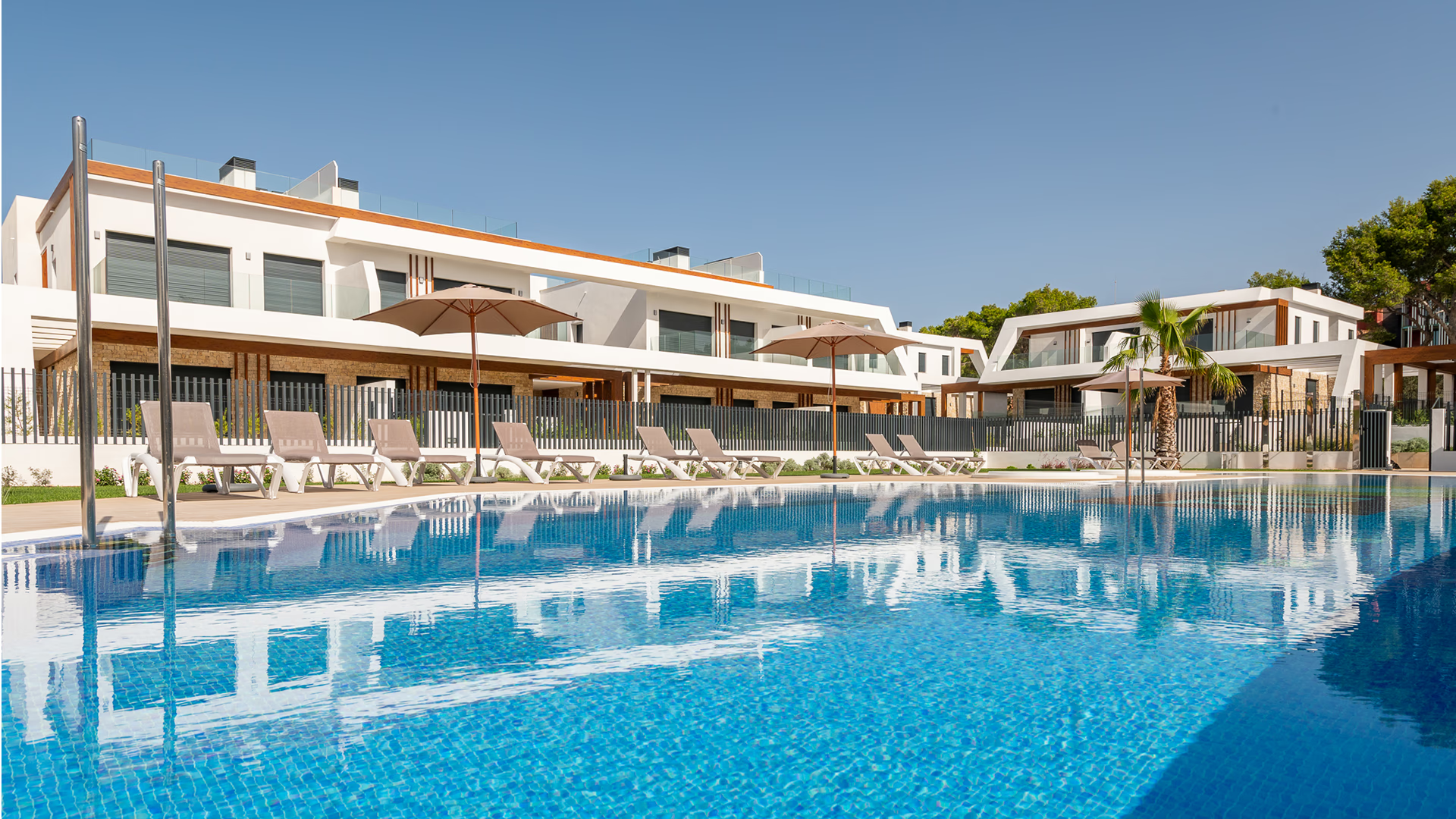
Luz de Cala Ratjada — 3-Bedroom Villas in Cala Ratjada, Mallorca
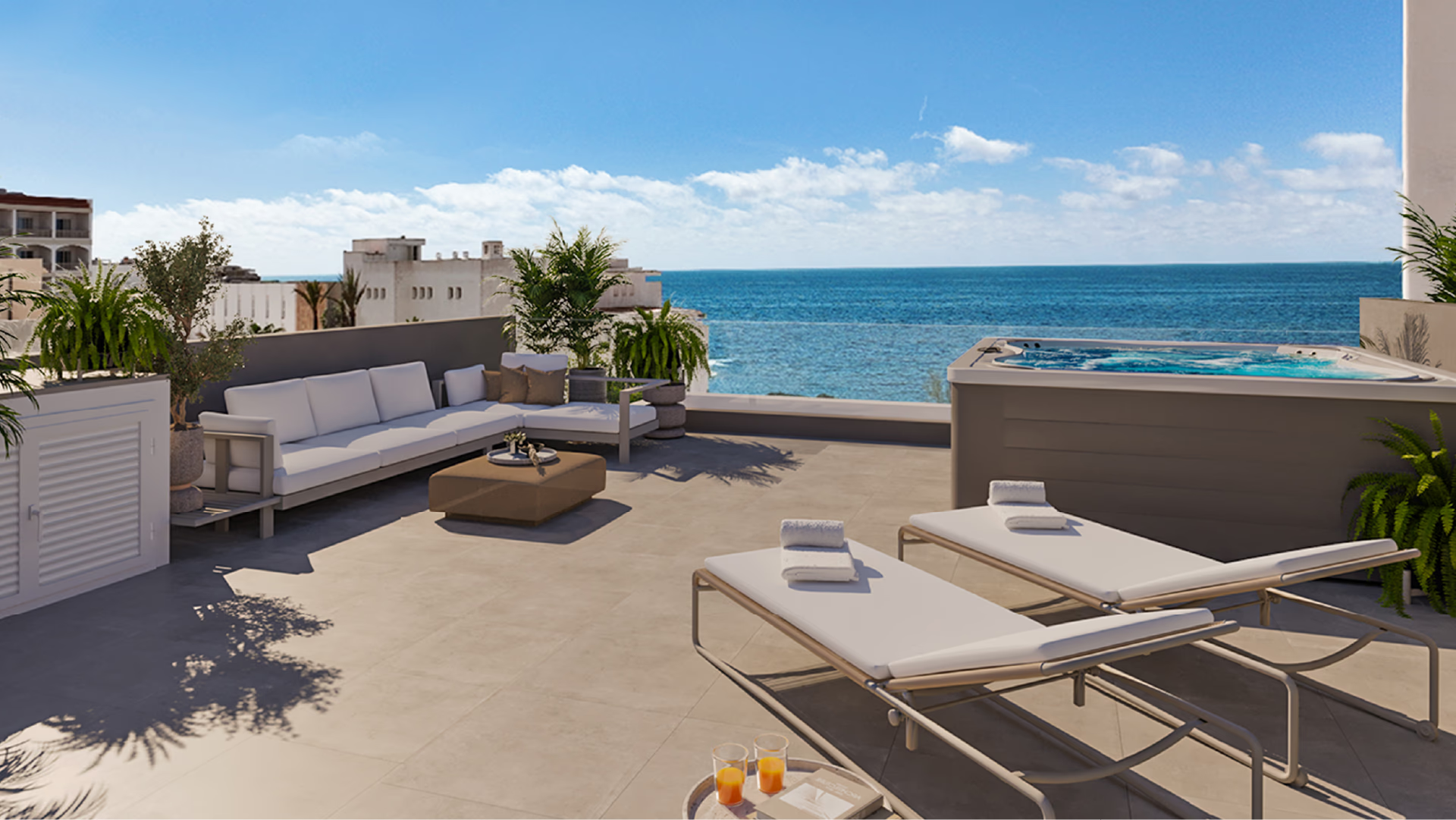
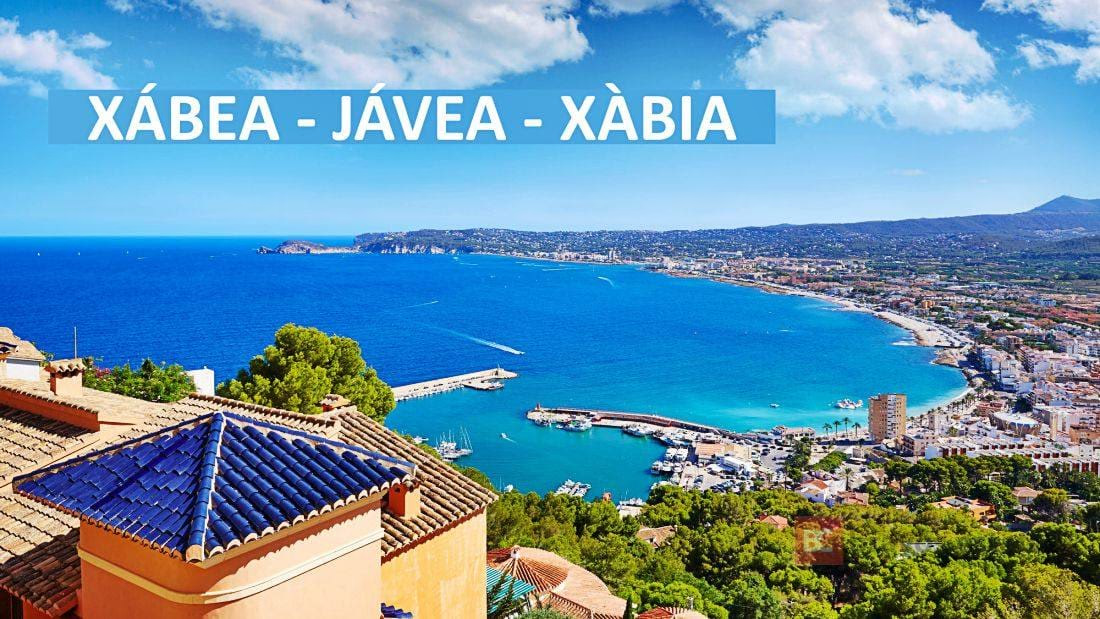
Explore Similar Areas
FAQ — Mallorca
Common questions about buying property in Mallorca
At €500,000 you are at the entry point for the East coast growth zone — Capdepera or Cala Ratjada typically offers a two- or three-bedroom apartment or a villa in need of light renovation. In Palma, the same budget can secure a well-finished two-bedroom apartment in a secondary city neighbourhood. The North coast (Alcúdia, Pollença) has character stone townhouses requiring some work. For a pool villa in the Southwest or Son Vida, expect to budget at least €1.5M. Prices reflect our current selection and market conditions at time of enquiry.
Andratx, in Mallorca's southwest, is significantly more expensive. Sea-view villas in our current selection there range from around €1.5M to €15M, with per-m² figures reaching €10,000 in prime positions. Andratx carries a premium for its marina, privacy, and established ultra-high-net-worth buyer base. Pollença appeals to buyers prioritising mountain scenery, village character, and a relatively long rental season in the north.
Mallorca is one of Spain's most established retirement destinations for Northern and Central Europeans. The southeast — Santanyí, Cala d'Or — is particularly popular, with villas in our current selection ranging from around €700K to €2.5M, a relaxed pace of life, and quality private healthcare in Palma accessible within roughly 45 minutes. PMI airport handles around 33 million passengers per year, providing reliable connections across Europe. Son Vida suits retirees who want urban convenience alongside a gated residential environment.
Mallorca offers greater scale, broader price entry points, and a more diverse market. Palma provides a genuine year-round urban market — something Ibiza lacks — with apartments in our current selection starting at around €400K. Mallorca's PMI airport handles around 33 million passengers annually, significantly more than Ibiza's. For long-term capital appreciation, both markets have historically performed well; for diversification and a wider buyer pool on resale, Mallorca's size and sub-market variety give it a structural advantage.
Buyer Guides
Essential reading before purchasing property in Spain
Interested in Mallorca?
Let our experts help you find the perfect property in this area. Get personalized recommendations based on your investment goals.