
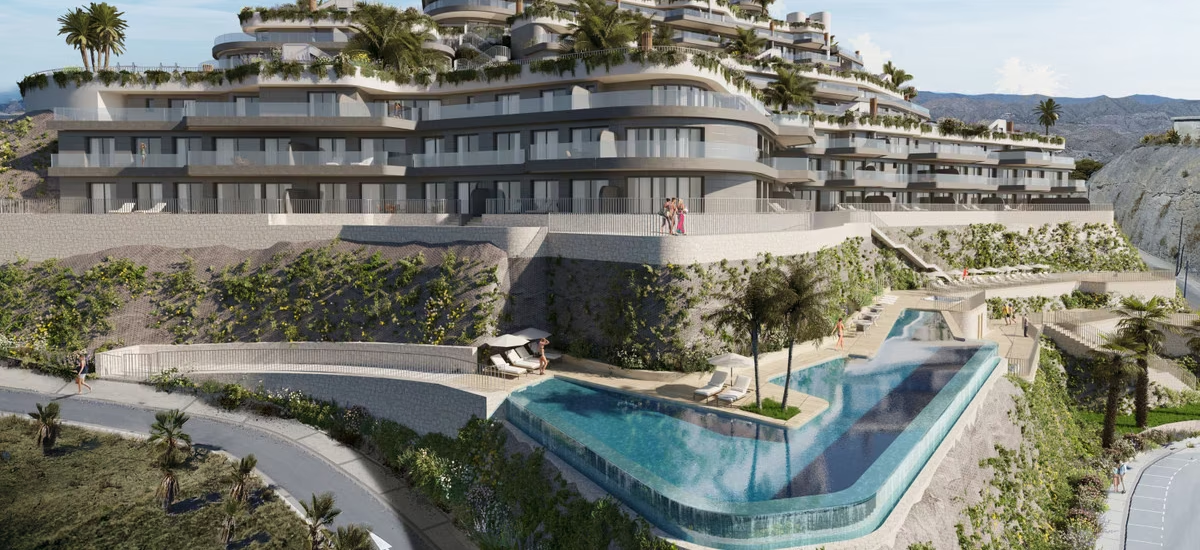
Águilas, Spain
Águilas is the last big town of the Costa Cálida before Andalusia: a working fishing port of 36,000 people with 35 beaches along four bays, a castle above the harbour and Spain's most famous carnival outside Cádiz. New-build prices here still start where the Costa Blanca stopped years ago.
About Águilas
Águilas sits at the very south of the Region of Murcia, where the Costa Cálida meets Andalusia. It is not a resort built for tourism — it is a real port town of around 36,000 people that happens to own 28 kilometres of coastline: 35 beaches and coves spread along four bays, from the town sands of Levante and Poniente to the protected wild coves of Cuatro Calas.
A town with its own story
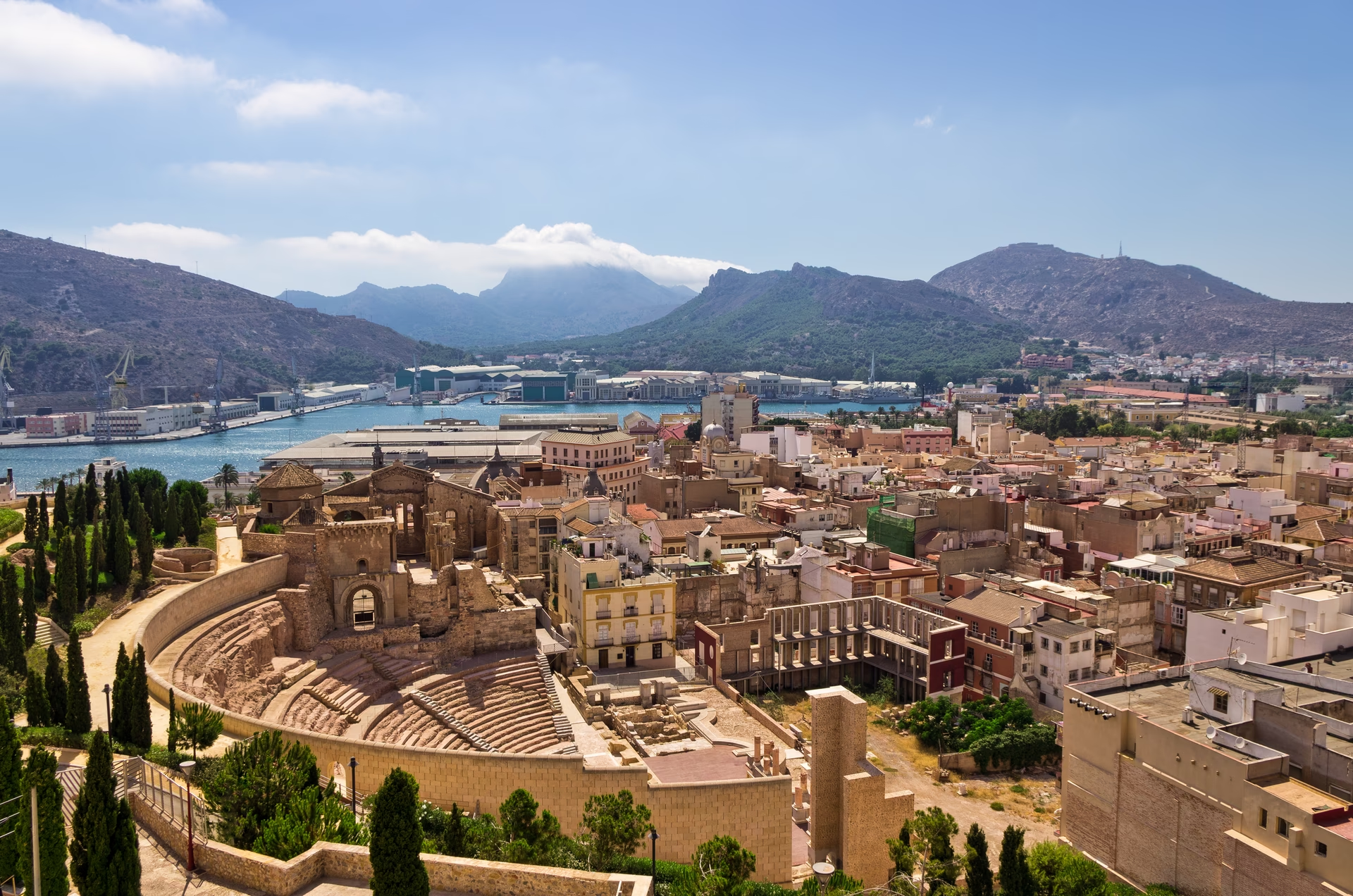
The Castillo de San Juan de las Águilas (rebuilt in 1756) watches over the harbour, and the iron Hornillo pier below it was built in 1903 by a British railway company to ship iron ore — the reason Águilas still keeps a small Anglophile streak and a direct railway line to Lorca and Murcia. In February the town triples in size for its carnival, one of only a handful in Spain declared of International Tourist Interest.
The property market
Águilas is where the Spanish coast still costs what it used to. New two- and three-bedroom apartments a few minutes from the beach start around €260,000, front-line projects run €320,000–650,000, and new villas sit at €400,000–510,000 — figures that buy noticeably less on the Costa Blanca or around Marbella. Buyers are a mix of Spanish families from Murcia and Madrid and a growing share of northern Europeans who want a working town rather than a seasonal resort.
Living in Águilas
Four bays, 35 beaches
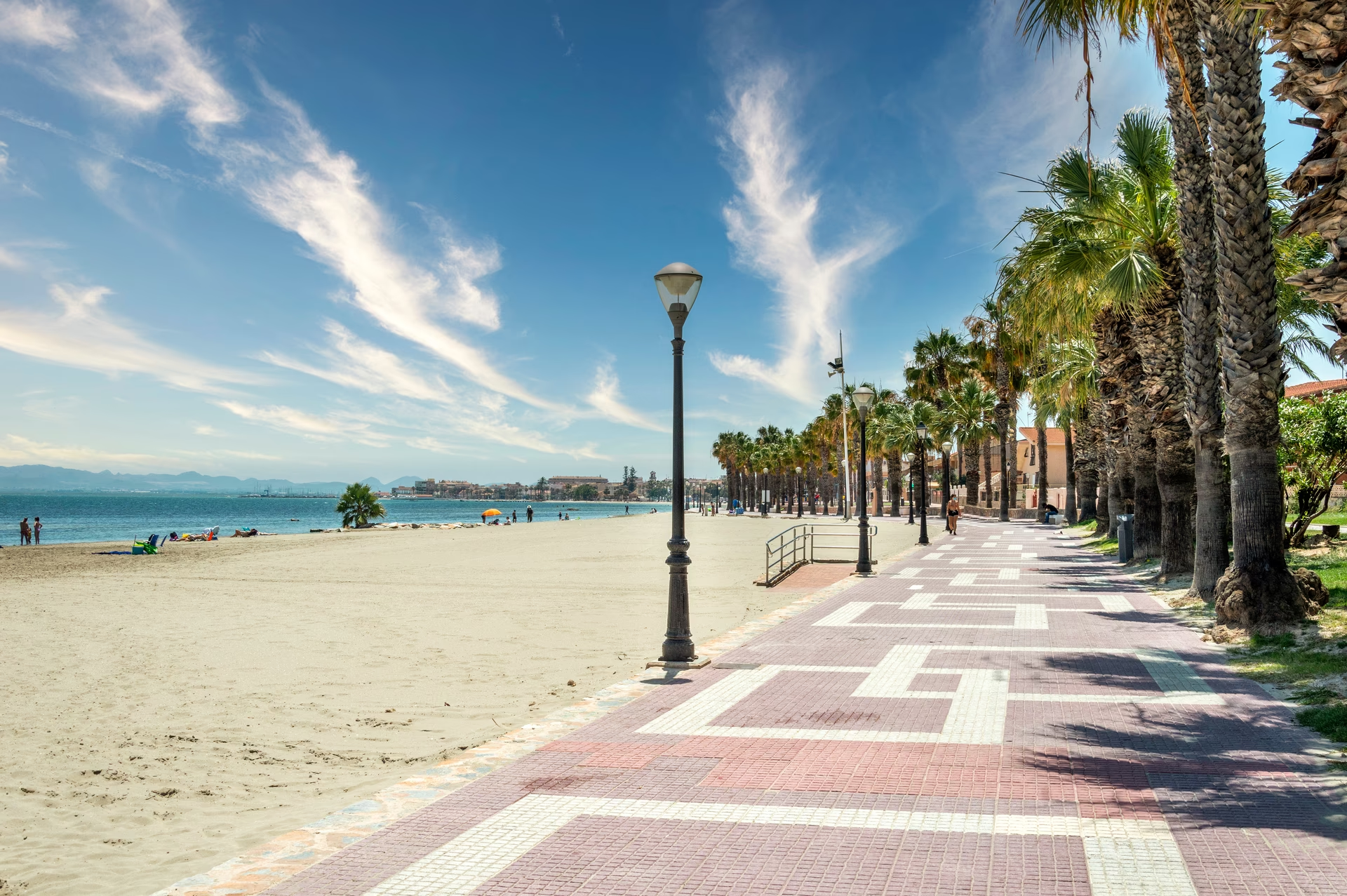
The town beaches — Levante, Poniente, Las Delicias — are a walk from the centre; Calabardina, ten minutes north under Cabo Cope, is the quiet residential bay; and the Cuatro Calas at the Andalusian border stay wild and undeveloped. You can swim somewhere different every weekend of the year.
A port that still fishes
The fish auction still runs, and it shows in the kitchens: gambas from the bay, caldero rice, and the seafront terraces along the Paseo de Parra. Prices are Murcian, not touristic.
Carnival town
Águilas lives around its February carnival — costumes are sewn all year, and the whole town takes part. The rest of the calendar follows the Spanish rhythm: Semana Santa, summer verbenas, the Noche de San Juan on the sand.
Nature at the door
North of Calabardina begins the Cabo Cope–Puntas de Calnegre regional park: a protected stretch of headlands and empty coves that guarantees this coast will never be built up. The diving and snorkelling around Isla del Fraile are among the best in the region.
Connections
The Región de Murcia airport at Corvera is about 55 minutes by car; Alicante's is a fallback with more routes. Águilas also keeps its own railway station with direct trains to Lorca and Murcia — rare for a coastal town this size.
Living here year-round
With 36,000 permanent residents, Águilas has what small resorts lack: hospitals and health centres, schools, a working high street in January. Winters are among the mildest in mainland Spain — this is officially one of its sunniest corners.
Why Águilas?
28 km of coast: town sands a walk from the centre, the quiet bay of Calabardina, and the wild Cuatro Calas at the Andalusian border.
New apartments minutes from the beach from ~€260,000 and new villas from ~€400,000 — the same money buys visibly less on the Costa Blanca.
36,000 year-round residents, a fishing port, schools, health centres and Spain's carnival of International Tourist Interest — not a shuttered winter resort.
The Cabo Cope–Puntas de Calnegre regional park guards the headlands north of town: this stretch of the Mediterranean will never be built up.
Distances from Águilas

Properties in Águilas
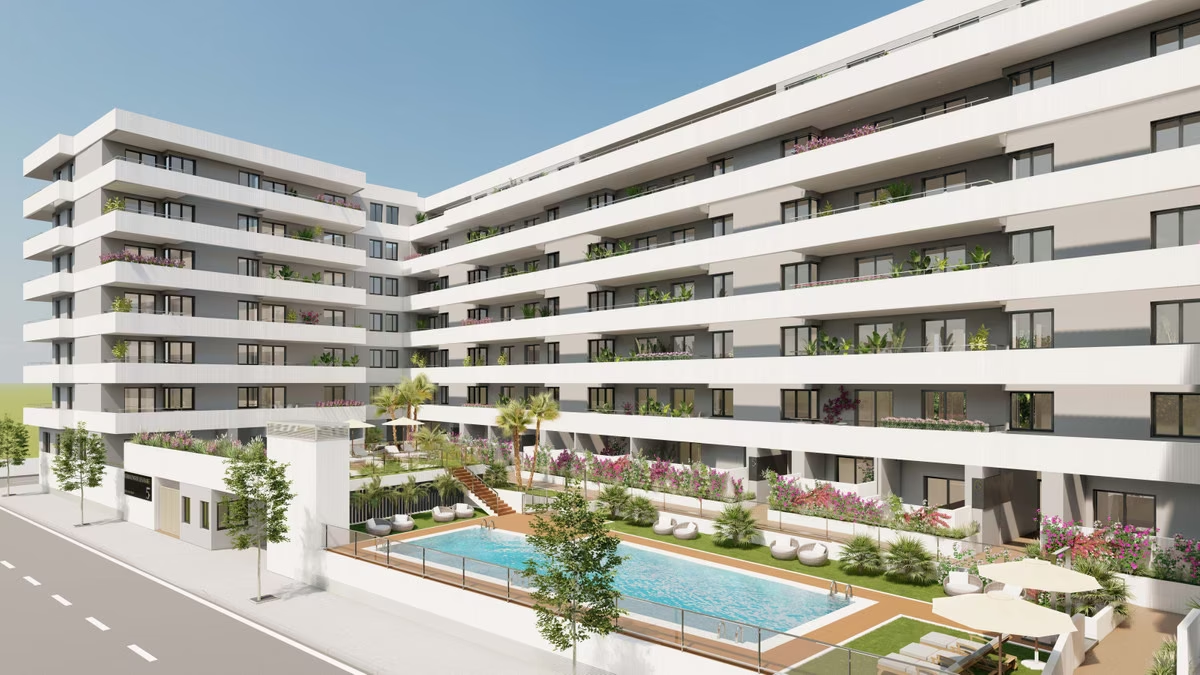
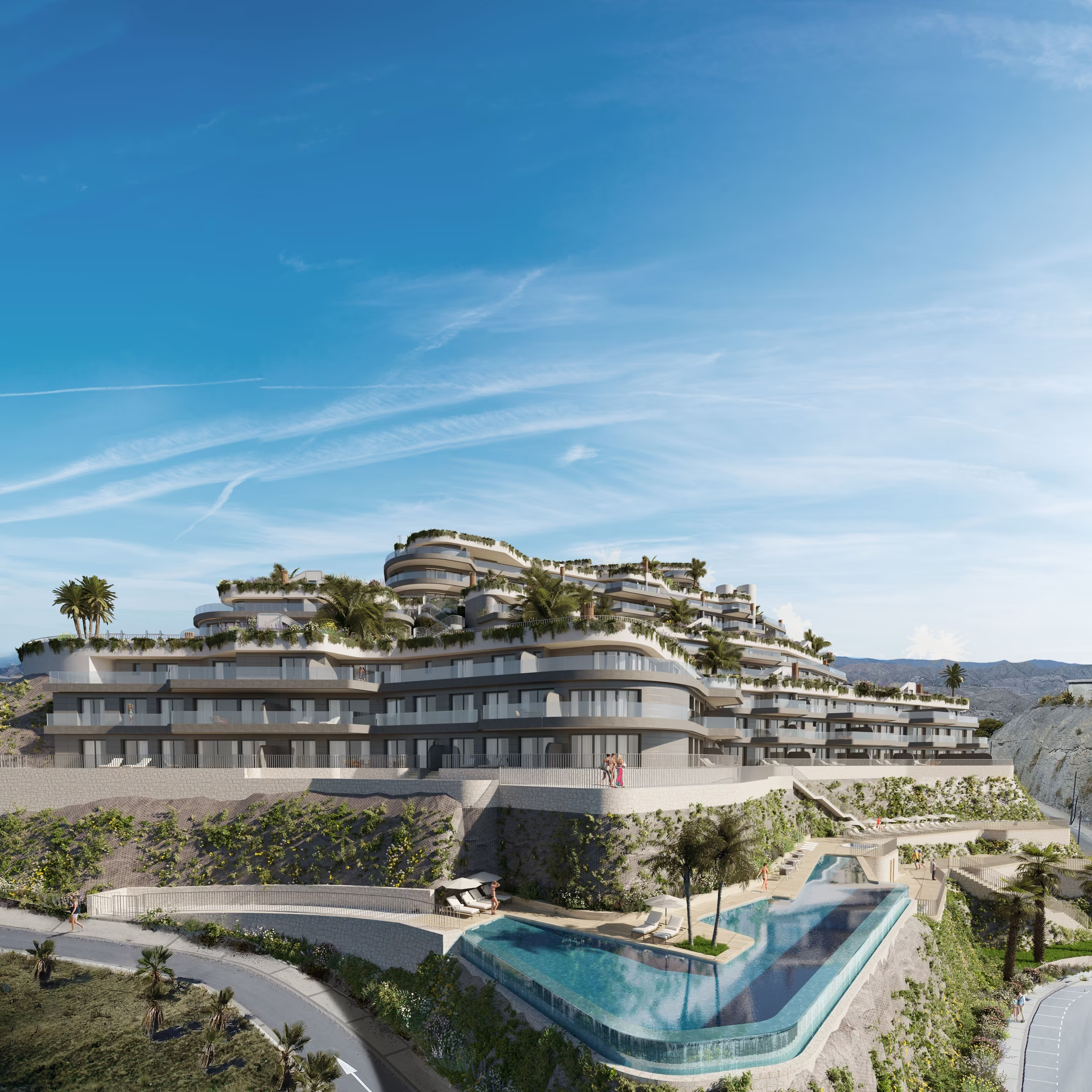
Terrazas de Levante — 3-Bedroom Apartments in Las Majadas, Águilas
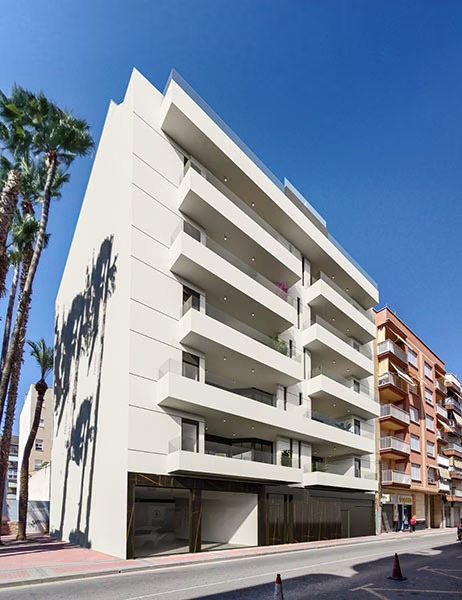
Edificio VELA — 3-Bedroom Apartments near Playa de la Colonia in Central Águilas
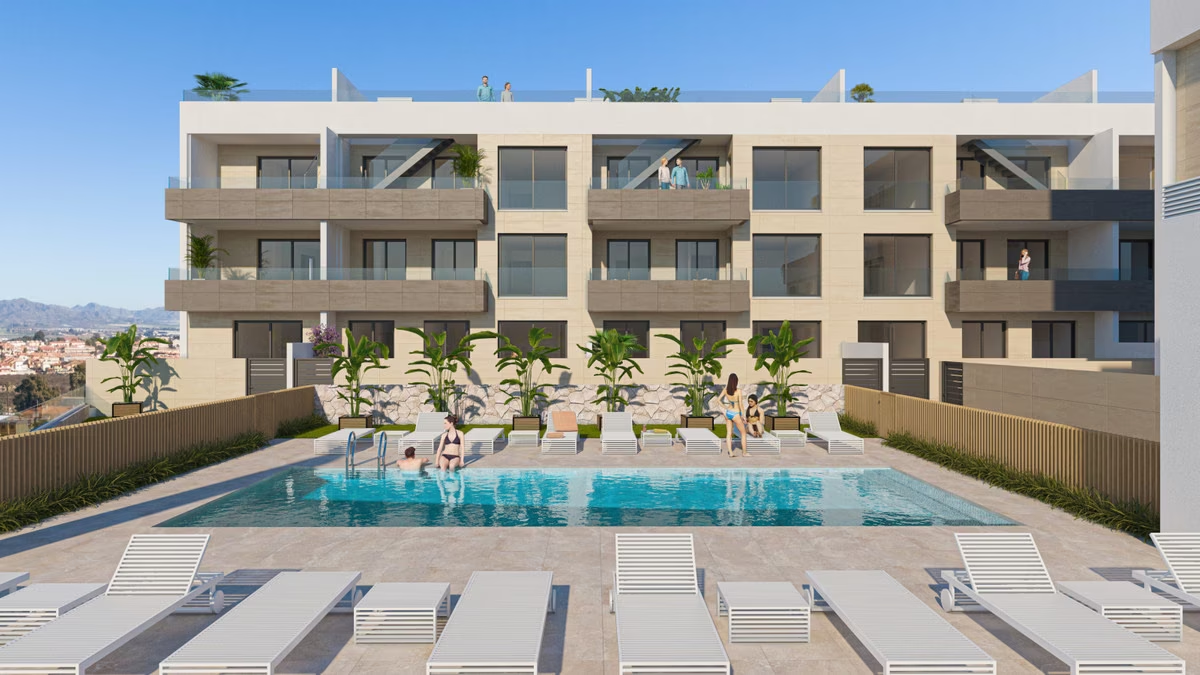
Explore Similar Areas
FAQ — Águilas
Common questions about buying property in Águilas
A new two- or three-bedroom apartment a few minutes from the beach — several current projects start at €258,000–297,000. Front-line and sea-view homes run €320,000–650,000, and new four-bedroom villas €400,000–510,000. On the Costa Blanca the same budget usually means older stock or a smaller home.
Yes — that is its main argument. It is a working town of 36,000 with health centres, schools, supermarkets and a high street that does not close in winter, plus one of the mildest winter climates in mainland Spain. The trade-off: fewer international restaurants and English is less widespread than on the Costa Blanca.
Región de Murcia International (Corvera) is about 55 minutes by car and covers UK and Northern-European routes. Alicante, roughly 90 minutes via the AP-7, offers the widest choice of flights. Almería is a similar distance to the south. Águilas also has its own railway station with trains to Lorca and Murcia.
The town centre and seafront suit those who want everything on foot — bars, the port, the market. Calabardina, under Cabo Cope, is the quiet villa bay ten minutes north. The new-build zones at the edges of town — towards Isla del Fraile and Playa Poniente — offer modern communal-pool projects with the best price-to-newness ratio.
Distance from a major airport and a later start to international demand — not the quality of the coast. That gap is the opportunity: the AP-7 motorway and Corvera airport have shortened the journey, international projects are arriving, and Águilas is following the path Torrevieja and Orihuela Costa walked twenty years ago — while the protected parkland caps how much can ever be built.
Buyer Guides
Essential reading before purchasing property in Spain
Interested in Águilas?
Let our experts help you find the perfect property in this area. Get personalized recommendations based on your investment goals.