
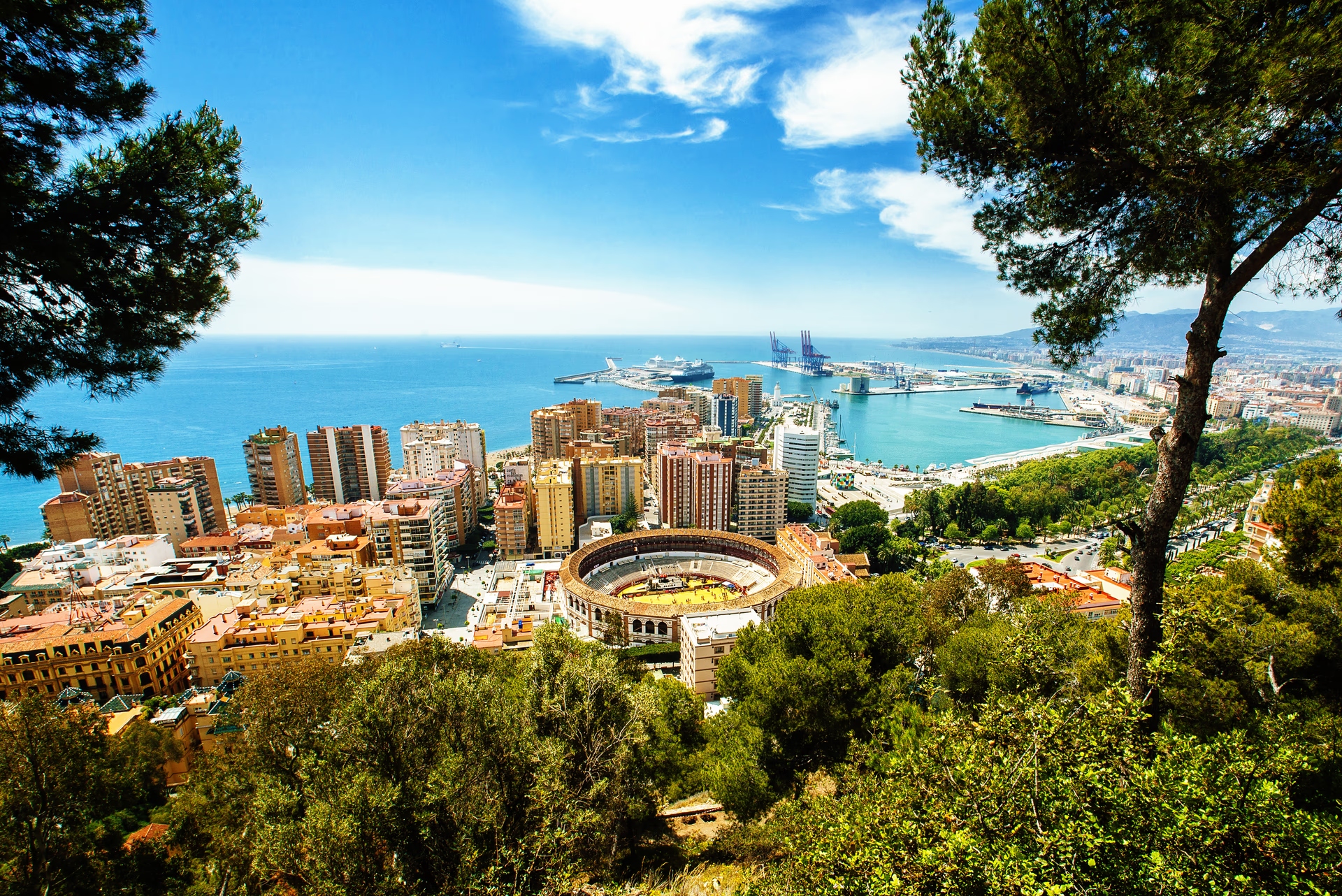
Málaga, Spain
The capital of the Costa del Sol and the only place on this coast that is a city first and a resort second — with the airport nine kilometres from the centre.
About Málaga
Málaga is the only place on this coast that is a city first and a resort second. Around six hundred thousand people live here, the university keeps them young, and the calendar does not empty in November. That is the practical difference from everything west of it: buying in Málaga means buying into a place that works the same way in February as in August.
The city has changed more in the last twenty years than in the previous hundred. The port was opened up to the centre with the Muelle Uno promenade, the Soho district between the port and the old town was rebuilt around street art and small galleries, and a run of museums arrived one after another — the Picasso, the Carmen Thyssen, the Pompidou outpost on the waterfront. Around thirty museums now sit within walking distance of each other, which is why the city fills in winter with a different sort of visitor than the coast west of it.
For buyers the geography divides sharply. The historic centre offers restored buildings and small schemes, usually apartments in existing structures rather than new blocks. Málaga Este — the seafront hill east of the centre, taking in Monte Sancha, El Limonar and Pedregalejo — holds the addresses that command the highest prices per metre in the whole province: quiet residential streets a few minutes from the beach and ten from the cathedral. West of the port, the new towers rise around the old industrial quarter.
Supply is thin and priced accordingly. Across the new-build schemes currently on the market in Málaga (September 2026) there are around forty-five homes in fourteen schemes — most of them small, several of them restorations of existing buildings rather than new construction. Asking prices run from €472,440 to €5,942,000.
Málaga Property Market — Prices and Stock
The city market behaves nothing like the resort towns west of it. Half the current schemes hold one or two homes each; the largest holds twelve. Where a coastal development sells forty near-identical apartments, here each address is effectively its own product.
Entry points across the schemes on the market: studios and one-bedroom apartments from €472,440; two bedrooms from around €783,000; three bedrooms from €1,119,000; and the top of the range is a penthouse in the centre at €5,942,000.
Restoration is a defining feature. Several schemes are conversions of existing buildings in the old town and along the eastern seafront, which is why floor areas are small by coastal standards — studios from 42 m² — and why the finish varies far more between addresses than it does in a purpose-built resort scheme.
Sub-Districts of Málaga
Málaga Este — the seafront hill east of the centre, taking in Monte Sancha, El Limonar and Pedregalejo. The city's most sought-after residential addresses, and where most of the current stock sits: six of the fourteen schemes.
Málaga Centro — the historic core around the cathedral and Calle Larios. Small schemes, mostly conversions, and the highest single asking prices in the city.
Limonar — the villa quarter on the eastern slopes, low density and largely detached housing.
La Princesa and the western districts — inland of the port, where the newer blocks go up around the former industrial land.
Living in Málaga
The Alcazaba, Gibralfaro and the Roman theatre
Three layers of the city sit stacked in one place: a Roman theatre from the first century BC at street level, the Moorish Alcazaba rising directly behind it, and the Gibralfaro castle on the hill above, joined to the fortress by a walled corridor. The climb to Gibralfaro is the standard first walk in Málaga, and the view from the ramparts takes in the port, the bullring and the whole bay.
La Malagueta and the eastern beaches
La Malagueta is the city beach, a few minutes from the cathedral on foot. East of it the shore turns into a chain of old fishing quarters — Pedregalejo with its low seafront houses, then El Palo — where the espeto is still the local institution: sardines threaded on a cane and grilled over a wood fire in a boat filled with sand. Beach life here is a weekday habit rather than a holiday activity.
The park and the walk to the water
The Paseo del Parque runs between the old town and the port as a subtropical garden — palms, ficus and bamboo on ground reclaimed from the sea in the nineteenth century, with the town hall and its gardens along one side. It is the shaded way across the centre in summer, and the route most people take from the cathedral down to the sea.
Markets and eating
The Atarazanas market is the everyday centre of it: an iron-framed hall entered through the horseshoe-arch gateway of the Nasrid shipyard that stood here before it, with a stained-glass window at the far end. Málaga eats fried fish, espetos and the sweet local wine, and the tapas bars of the old town stay busy on a Tuesday in January.
Semana Santa and the Feria
Holy Week in Málaga is on a different scale from the rest of the coast: the thrones are enormous, carried by hundreds of members of each brotherhood, and the city gives the week over to them entirely. In August the Feria splits in two — a day fair through the streets of the centre and a night fairground out at Cortijo de Torres.
A working city
The University of Málaga puts tens of thousands of students in the western districts, the region's main hospitals are here, and the Málaga TechPark at Campanillas has drawn enough technology employment for the city to recruit internationally; Google opened a cybersecurity centre in the old tobacco factory in 2023. For a buyer that matters in a specific way: there is a rental market and a services economy that do not depend on the summer.
Getting around
The centre is walkable end to end, a two-line metro serves the western districts and the university, and the C-1 commuter train runs from the airport through the city and on down the coast to Torremolinos, Benalmádena and Fuengirola. The airport is nine kilometres out, and the AVE reaches Madrid in under three hours.
Inland from the city
Málaga is also the base for the province behind it: the Caminito del Rey walkway in the El Chorro gorge is about an hour north, Ronda stands above its own gorge to the west, and the dolmens at Antequera are a UNESCO site. From a city address these are afternoons out, not expeditions.
Why Málaga?
Six hundred thousand residents and a university — the calendar does not empty in November.
With a train into the city and on down the coast, and the AVE reaching Madrid in under three hours.
Picasso, Carmen Thyssen and the Pompidou outpost among them, all within the same few streets.
Around 9,400 euros a built metre, ahead of Marbella — and supply is thin, with several schemes being restorations.
Distances from Málaga

Properties in Málaga
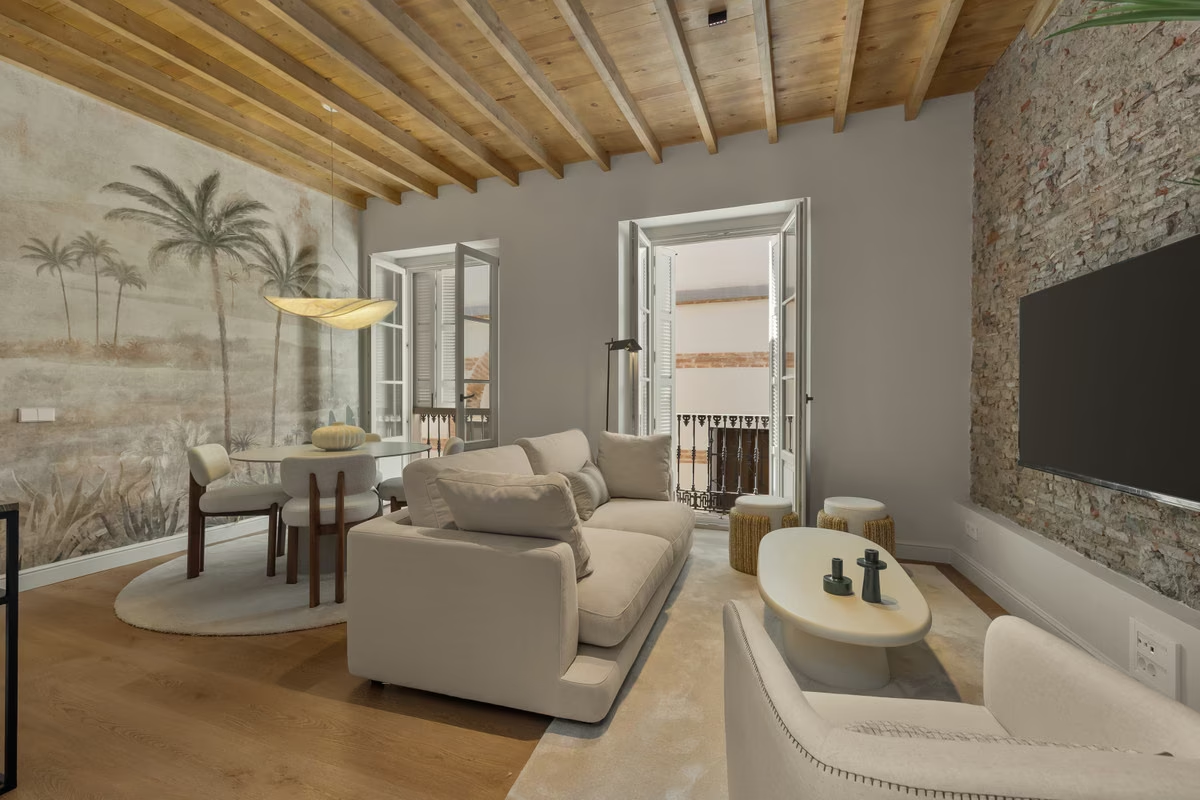
Coronado 4 — 1-Bedroom Apartment and 3-Bedroom Penthouse Duplex in Málaga’s Historic Centre
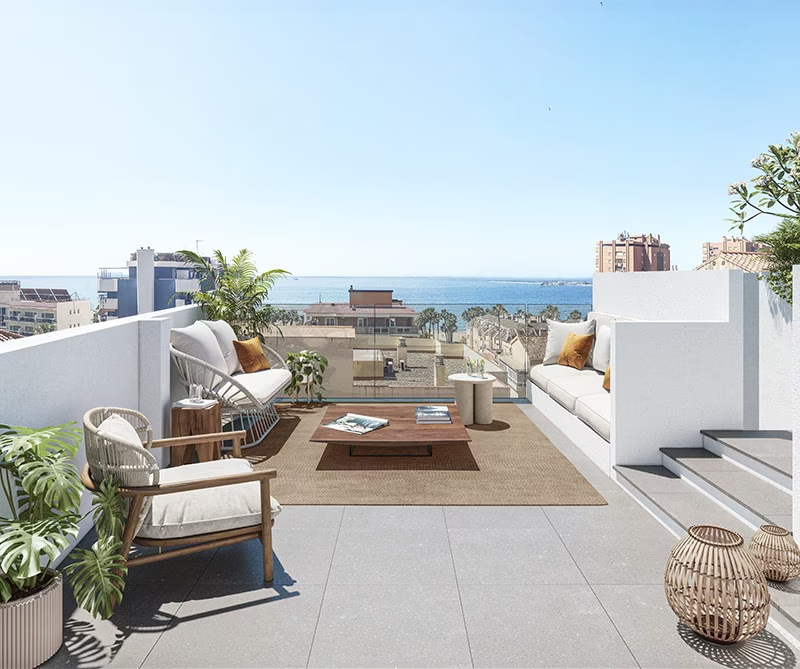
Monte Sancha 28 — 2-Bedroom Duplex with Sea-View Solarium, Málaga Este
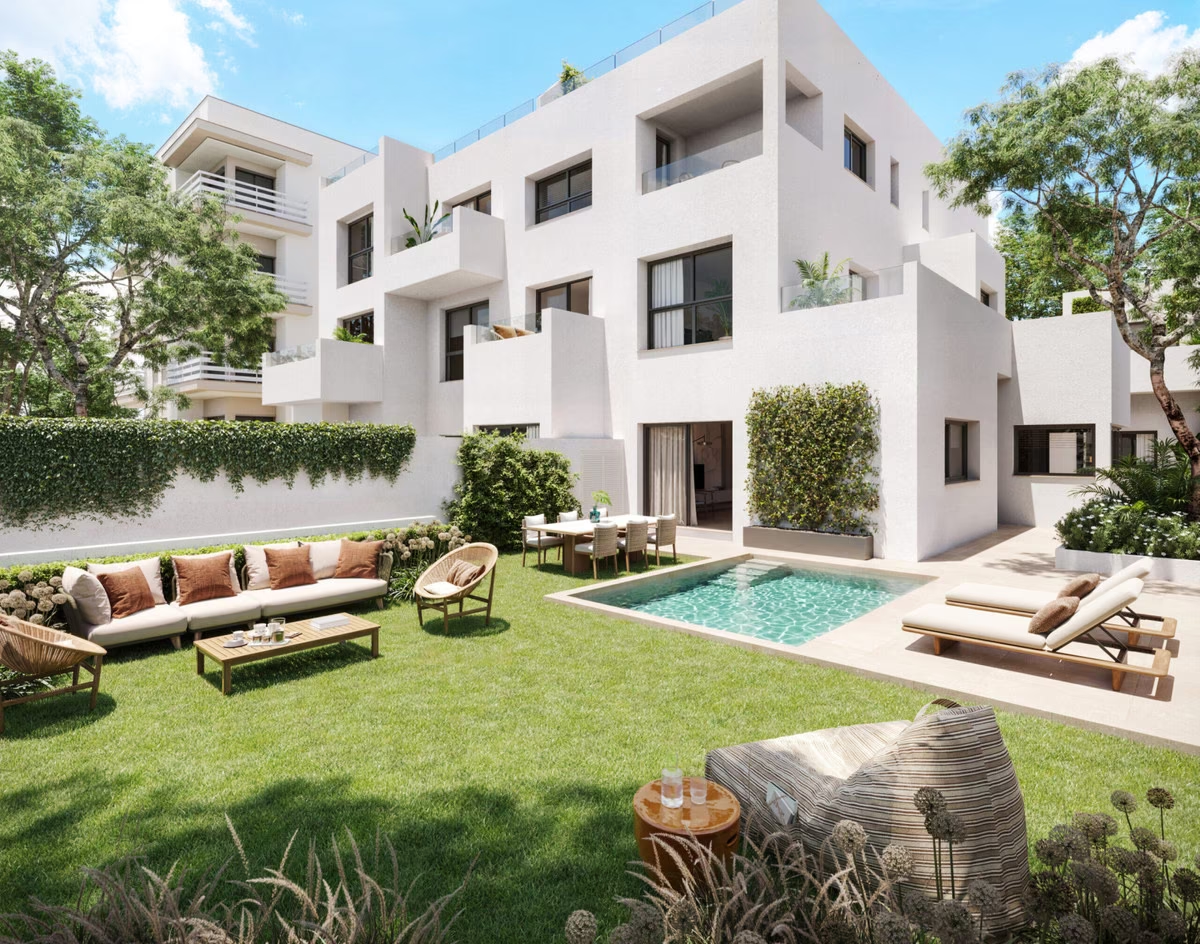
Miramar 34 — 3 and 4-Bedroom Duplexes in El Limonar, Málaga
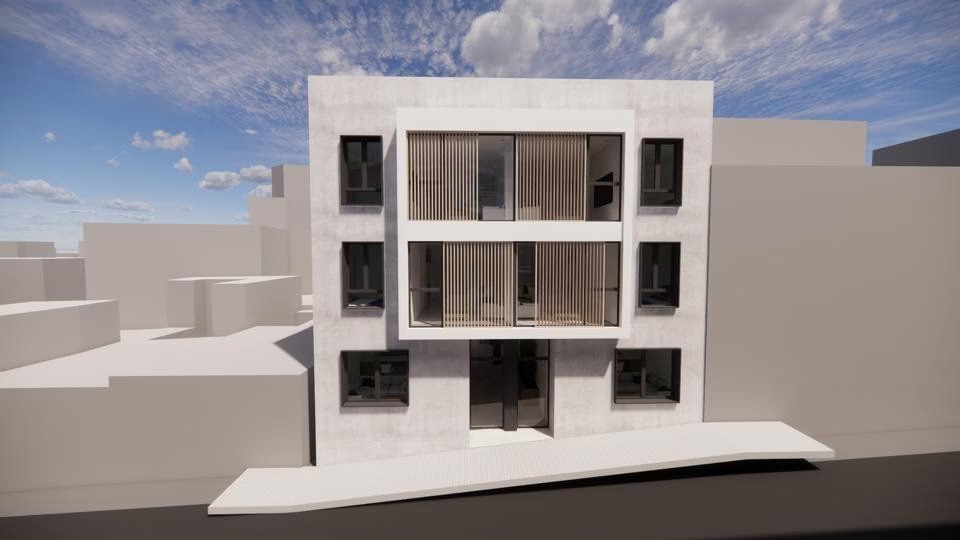
EON de Prosperidad — 1 and 2-Bedroom Apartments in San Miguel, Málaga
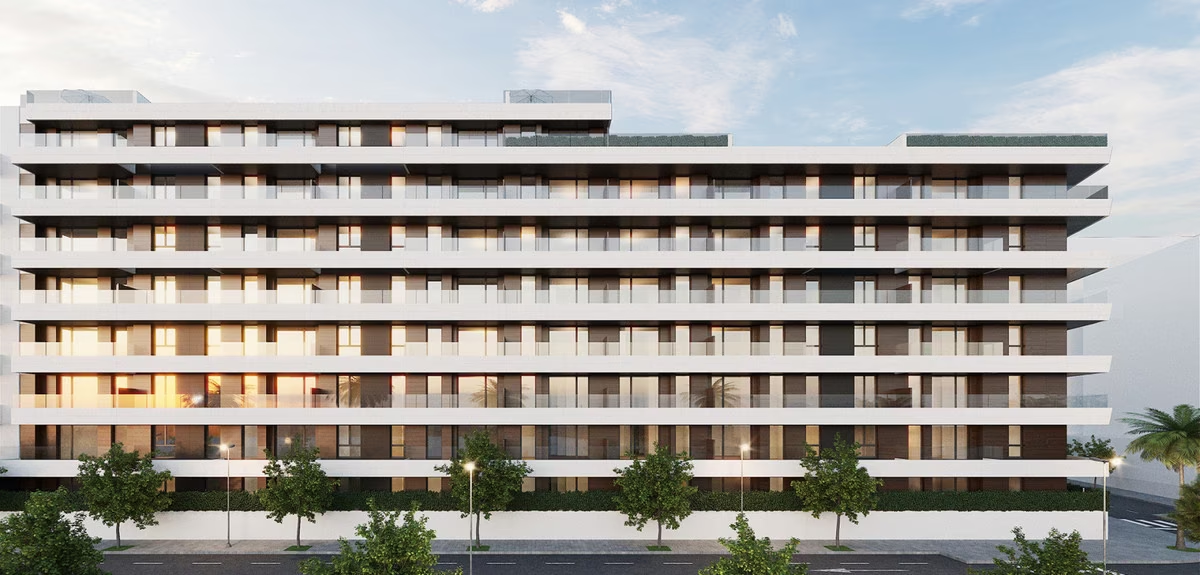
Aires de San Lucas — 2 and 3-Bedroom Apartments with Rooftop Pool in La Princesa, Málaga
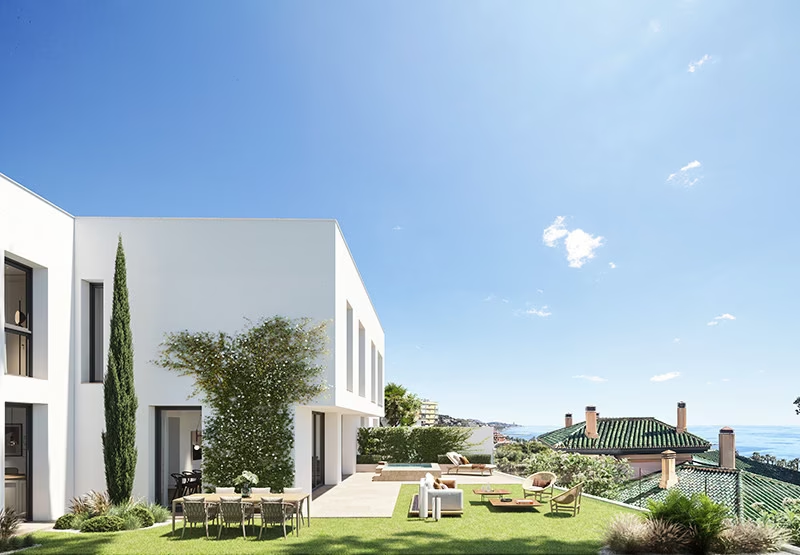
Explore Similar Areas
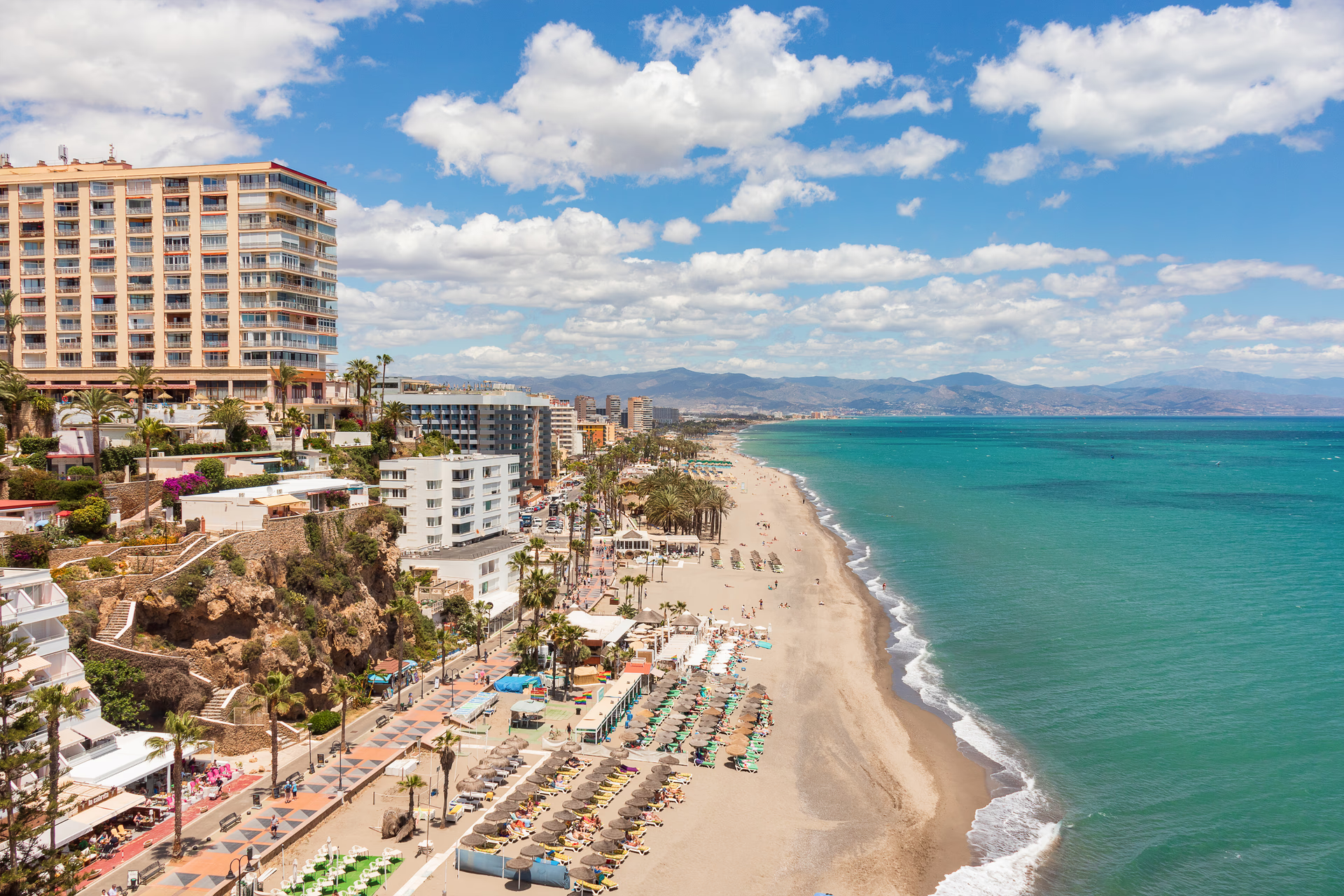
FAQ — Málaga
Common questions about buying property in Málaga
Yes, but very little of it. Across the schemes on the market in September 2026 there are around forty-five homes in fourteen schemes — half of those schemes hold one or two homes each, and the largest holds twelve. Several are restorations of existing buildings rather than new construction. Where a coastal development sells forty near-identical apartments, in Málaga each address is effectively its own product.
Across the schemes we list in September 2026, asking prices start at €472,440 for studios and one-bedroom apartments, around €783,000 for two bedrooms and €1,119,000 for three. The top of the range is a penthouse in the centre at €5,942,000. Supply is thin and priced accordingly — this is a capital-city market, not a resort one.
Málaga Este — the seafront hill east of the centre, taking in Monte Sancha, El Limonar and Pedregalejo — holds the city's most sought-after residential addresses and six of the fourteen current schemes. Málaga Centro, the historic core around the cathedral and Calle Larios, offers small schemes, mostly conversions, and the highest single asking prices. Limonar is the villa quarter on the eastern slopes. West and inland of the port, the newer blocks go up around the former industrial land.
The practical difference is the calendar. Málaga is a city of around six hundred thousand people with a university, the region's main hospitals and about thirty museums within walking distance of each other, so a neighbourhood here works in February the way it does in August. The trade-off is supply and price: far less stock, smaller floor areas, higher entry. The airport is nine kilometres out with a train into the centre, and the AVE reaches Madrid in under three hours.
Because much of the stock is restoration rather than construction. Several schemes are conversions of existing buildings in the old town and along the eastern seafront, so the floor plan follows the building that is already there — studios start at 42 m². It also means the finish varies far more between addresses than it does in a purpose-built coastal scheme, which is why these are worth seeing individually.
Buyer Guides
Essential reading before purchasing property in Spain
Interested in Málaga?
Let our experts help you find the perfect property in this area. Get personalized recommendations based on your investment goals.