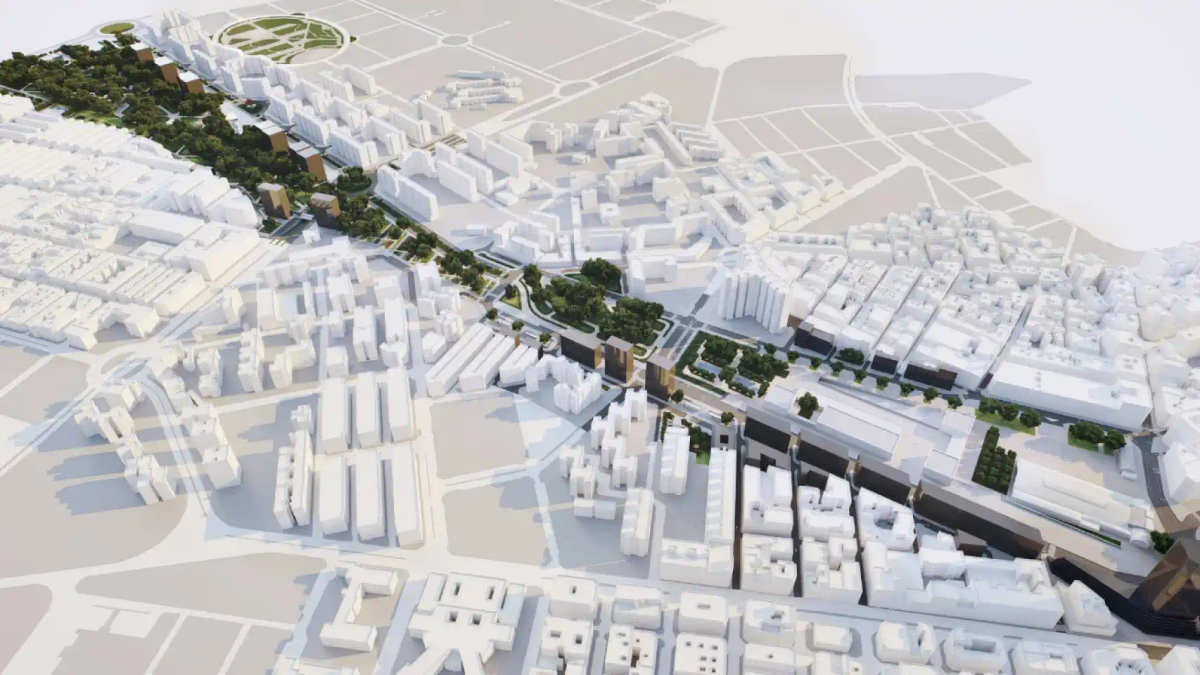
On April 13, 2026, Alicante witnessed a historic moment. Three levels of government — the Spanish Ministry of Transport, the Valencian regional government, and Alicante City Council — officially presented the Parque Central project: a €420 million initiative to bury the railway tracks that have divided the city for decades and create a 2.1 km linear park in their place.
This is the biggest urban transformation Alicante has ever seen — and it will reshape the city's property market for years to come.
 On April 13, 2026, Alicante witnessed a historic moment as three levels of government officially presented the Parque Central project. This transformative €420 million initiative promises to reshape the city's urban landscape.
Spanish Transport Minister Óscar Puente, Valencia regional president Carlos Mazón (represented by Vice President Susana Camarero), and Alicante Mayor Luis Barcala unveiled the plans. This represents one of Spain's most ambitious urban regeneration projects.
This isn't just another park—it represents the culmination of decades of planning. The project solves one of Alicante's most pressing urban challenges: the railway tracks that have divided the city for generations.
On April 13, 2026, Alicante witnessed a historic moment as three levels of government officially presented the Parque Central project. This transformative €420 million initiative promises to reshape the city's urban landscape.
Spanish Transport Minister Óscar Puente, Valencia regional president Carlos Mazón (represented by Vice President Susana Camarero), and Alicante Mayor Luis Barcala unveiled the plans. This represents one of Spain's most ambitious urban regeneration projects.
This isn't just another park—it represents the culmination of decades of planning. The project solves one of Alicante's most pressing urban challenges: the railway tracks that have divided the city for generations.
What Is Parque Central?
The Urban Division Problem
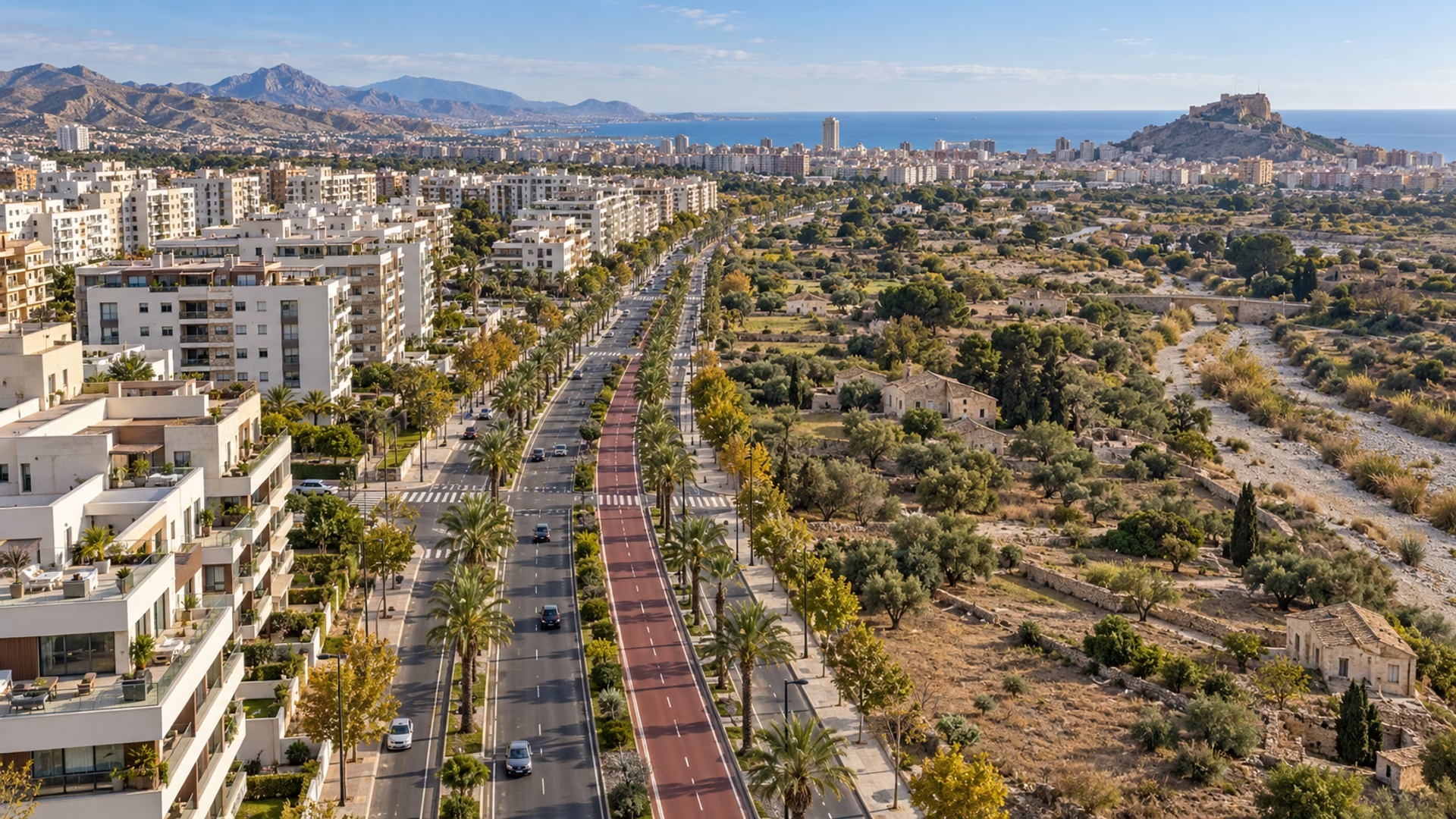
For decades, Alicante has been split by an invisible but very real barrier: the railway tracks that run through the heart of the city. These tracks create a physical divide between neighborhoods like San Blas and areas such as Benalúa and Alipark. The elevation differences reach up to 10 meters, making crossing points few and far between. This urban scar has limited development, restricted movement, and essentially created two separate cities where there should be one unified whole.The Underground Solution
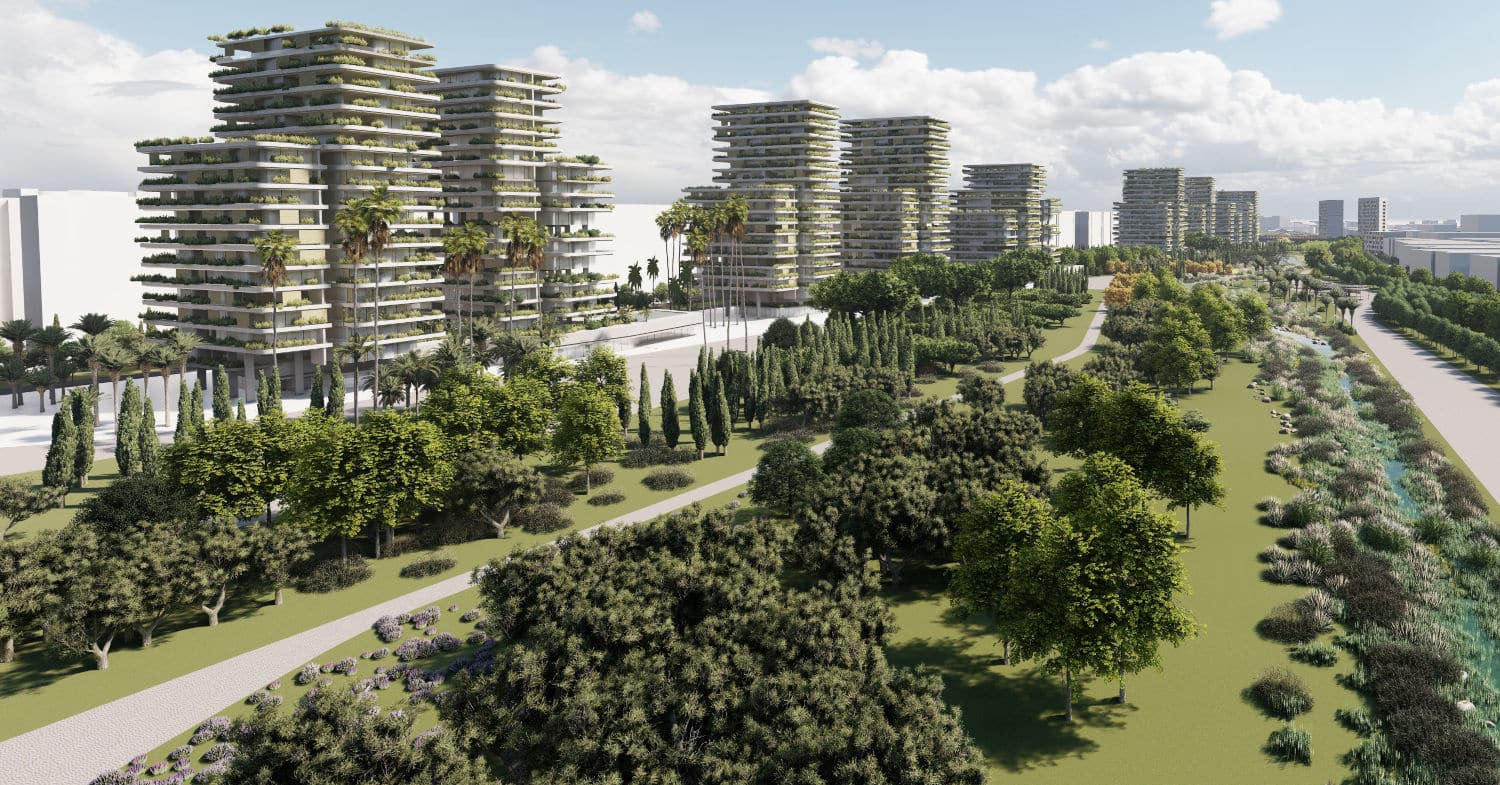
The Parque Central project addresses this challenge through an elegant solution: bury the railway tracks underground and create a spectacular linear park on top. This approach, known in Spanish as "soterramiento," will transform 240,000 square meters of urban space. The result will be a continuous 2.1-kilometer green corridor that reconnects Alicante's southern neighborhoods with the city center.Key fact: The €420 million investment represents unprecedented cooperation between three administrations: the Ministry of Transport, the Valencia Regional Government, and Alicante City Council.
Scale and Significance
This is no small undertaking. The scale reflects both its complexity and transformative potential. By comparison, Madrid's famous Madrid Río park covers approximately 120 hectares. Parque Central, at 24 hectares but in a linear format, will have a similar impact on urban connectivity. However, it specifically addresses the challenge of railway infrastructure. The project has been described by officials as "a historic demand of the city," and for good reason. Previous attempts to address the railway division have been discussed for decades, making this official presentation a watershed moment for Alicante's urban development.What the Project Includes
The Linear Park System
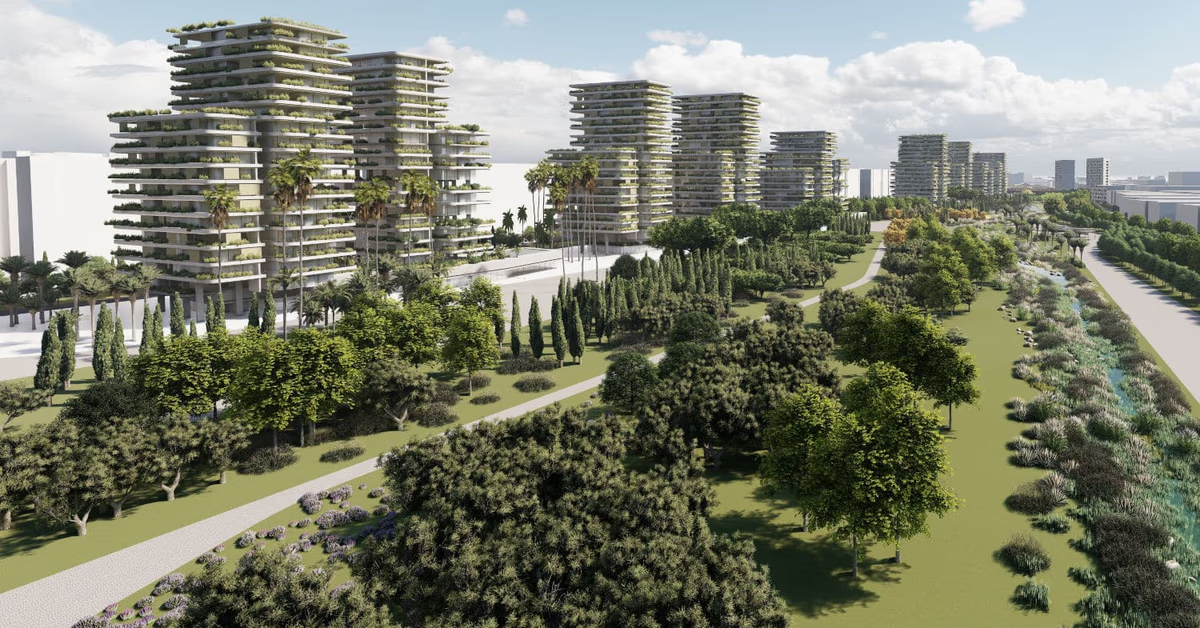
The Parque Central isn't simply about burying tracks and planting trees. The comprehensive project encompasses multiple interconnected elements designed to create a new urban experience. At its heart lies the linear park itself—a 2.1-kilometer green corridor that will serve as the city's new central spine. This isn't just recreational space; it's designed as connective tissue that will allow seamless movement between neighborhoods. The park will include:- Pedestrian walkways
- Cycling paths
- Recreational areas
- Green spaces providing environmental benefits
- Community gathering places
Underground Railway Infrastructure
The railway infrastructure represents a marvel of engineering coordination. The underground system will accommodate 14 tracks in total:- 10 standard gauge tracks for high-speed AVE services and international connections
- 4 Iberian gauge tracks for Cercanías commuter services
Station Transformation
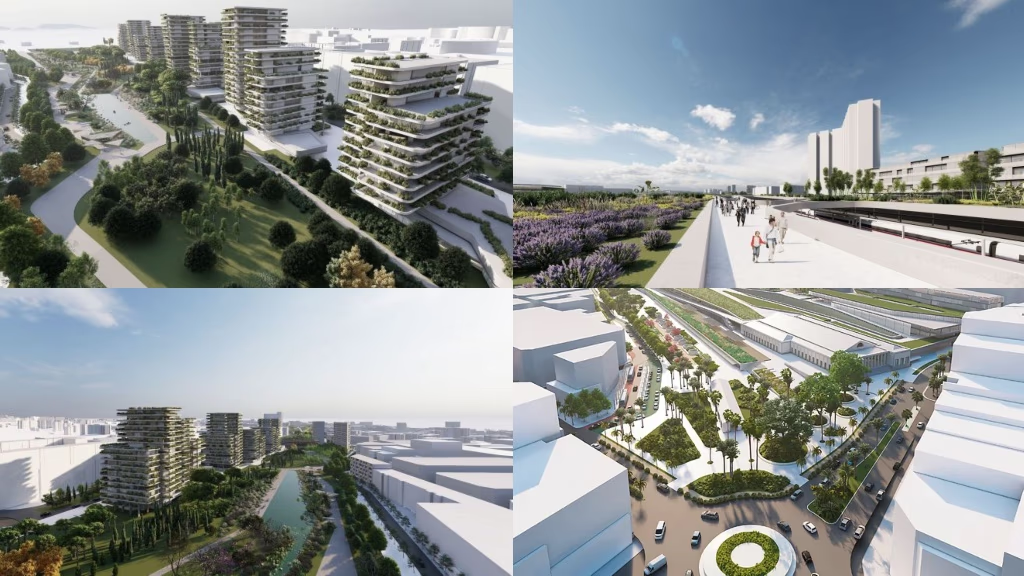
Perhaps most symbolically significant is the transformation of the railway station area. The project preserves and renovates the historic train station building while adding a modern AVE terminal. This new terminal is designed to handle increased high-speed rail traffic. The blend of historical preservation and modern functionality embodies the project's broader philosophy of respecting Alicante's past while building for its future.Additional Improvements
Other practical improvements include:- Replacing surface parking areas around the current tram station with underground facilities
- Freeing up additional surface area for the park
- Improving the functionality of public transport connections
Timeline and Construction
Construction Already Underway
While the official presentation marked a ceremonial beginning, actual construction work had already commenced by April 2026. The railway track remodeling phase, with an initial investment of €20.2 million, was already underway. This demonstrates the project's transition from planning to implementation.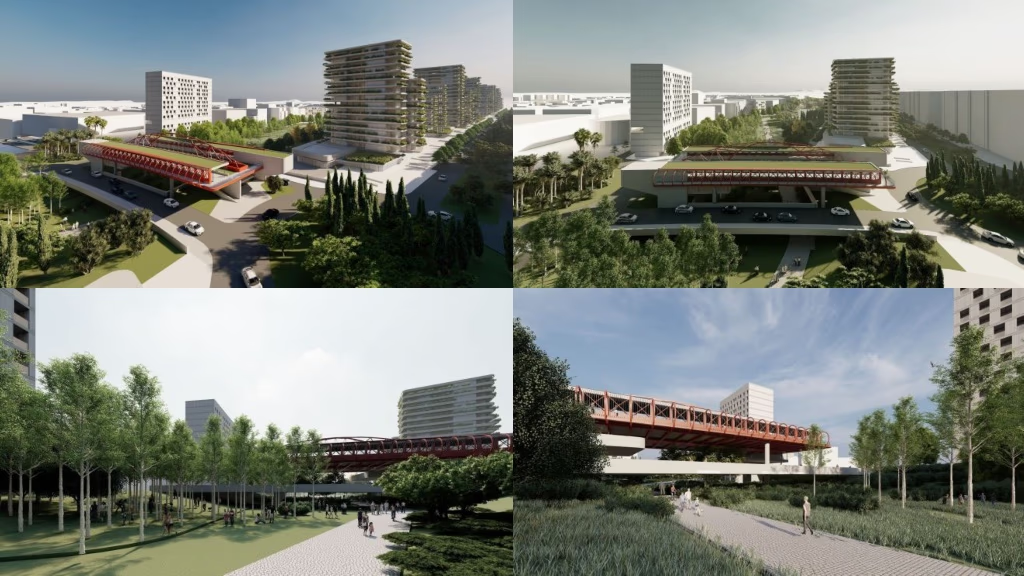
Maintaining Service During Construction
The commitment to maintaining train service during construction represents one of the project's most complex challenges. Engineers must essentially rebuild the railway infrastructure while keeping existing services operational. This is like performing surgery on a beating heart. The approach minimizes disruption to the thousands of daily commuters and travelers who depend on Alicante's rail connections.Phased Development Timeline
While officials focused on scope and significance rather than specific completion timelines, the scale and complexity suggest this will be a multi-year undertaking. The track remodeling alone represents just the first phase of what will likely be a decade-long transformation. The phased approach allows the city to begin experiencing benefits even before full completion. As underground sections become operational and surface areas become available for park development, residents will gradually see their city reconnect and regenerate.What This Means for Alicante's Property Market
Neighborhood Transformation Impact
The Parque Central project represents more than urban improvement—it's a catalyst that will fundamentally reshape Alicante's property landscape. The neighborhoods currently separated by railway infrastructure have historically been undervalued due to their perceived isolation. Areas particularly affected include:- San Blas
- Benalúa
- Alipark area
Precedents from Other Spanish Cities
Similar infrastructure projects across Spain provide compelling precedents for understanding the likely impact:- Madrid: Burial of the M-30 highway and creation of Madrid Río transformed industrial riverfront areas into some of the capital's most desirable addresses
- Barcelona: The ongoing Sagrera high-speed rail project has already begun attracting investment to previously overlooked neighborhoods
- Valencia: Urban renewal projects have consistently delivered property value appreciation in surrounding areas
Connectivity and Access Improvements
The connectivity improvements go beyond symbolic reunification. For property investors and homebuyers, the practical implications are significant. Areas that previously required circuitous routes to reach the city center will enjoy direct pedestrian and cycling access. The psychological barrier that made southern Alicante feel separate from the urban core will disappear, likely triggering a revaluation of properties throughout the affected neighborhoods.Enhanced Transport Links
The enhanced AVE station facilities also position Alicante more favorably within Spain's high-speed rail network. Improved connections to Madrid and Barcelona make the city increasingly attractive to professionals who can work remotely or travel frequently for business. This demographic trend, already visible across the Alicante area, stands to accelerate as transport infrastructure improves.International Buyer Appeal
International buyers, particularly from northern Europe, have long been attracted to Costa Blanca's climate and lifestyle benefits. The Parque Central project adds urban sophistication and connectivity to this existing appeal. Areas near the new park corridor may become particularly attractive to buyers seeking both the Mediterranean lifestyle and modern urban amenities.Key fact: Cities that have completed similar underground railway projects in Spain have seen significant property value increases in surrounding areas, though results vary widely based on local conditions and market timing.
Long-term Value Drivers
The project's impact extends beyond immediate property values to fundamental changes in urban livability:- Green space access
- Reduced traffic congestion
- Improved public transport connections
- Enhanced pedestrian infrastructure
Living Near Parque Central
Alicante's Existing Lifestyle Advantages
Alicante already offers compelling lifestyle advantages that make it attractive to international residents and investors:- Over 300 days of sunshine annually
- Thriving cultural scene
- Excellent restaurants
- Relaxed Mediterranean pace of life
Current Housing Options
The neighborhoods surrounding the future park corridor offer diverse residential options, from traditional Spanish apartments to modern developments. Current property prices in areas like San Blas remain relatively affordable compared to prime coastal locations. However, this dynamic may shift as the project progresses and connectivity improves.Regional Context and Resources
For those exploring broader Costa Blanca opportunities, Alicante serves as an excellent base for discovering the region's diverse offerings. The best areas guide provides comprehensive coverage of alternative locations, from vibrant coastal towns to peaceful inland villages. International buyers considering Alicante properties should familiarize themselves with Spanish property purchase procedures. Our comprehensive buying guide covers essential topics including legal requirements, financing options, and tax implications. Additionally, understanding the complete cost structure helps buyers budget accurately for their Spanish property investment.Growing International Community
The expatriate community in Alicante continues to grow, supported by:- International schools
- Healthcare facilities
- Professional services